

Get quote
Get Free Consultation!
We are ready to answer right now! free consultation.
Email:ttxxkj888@gmail.com
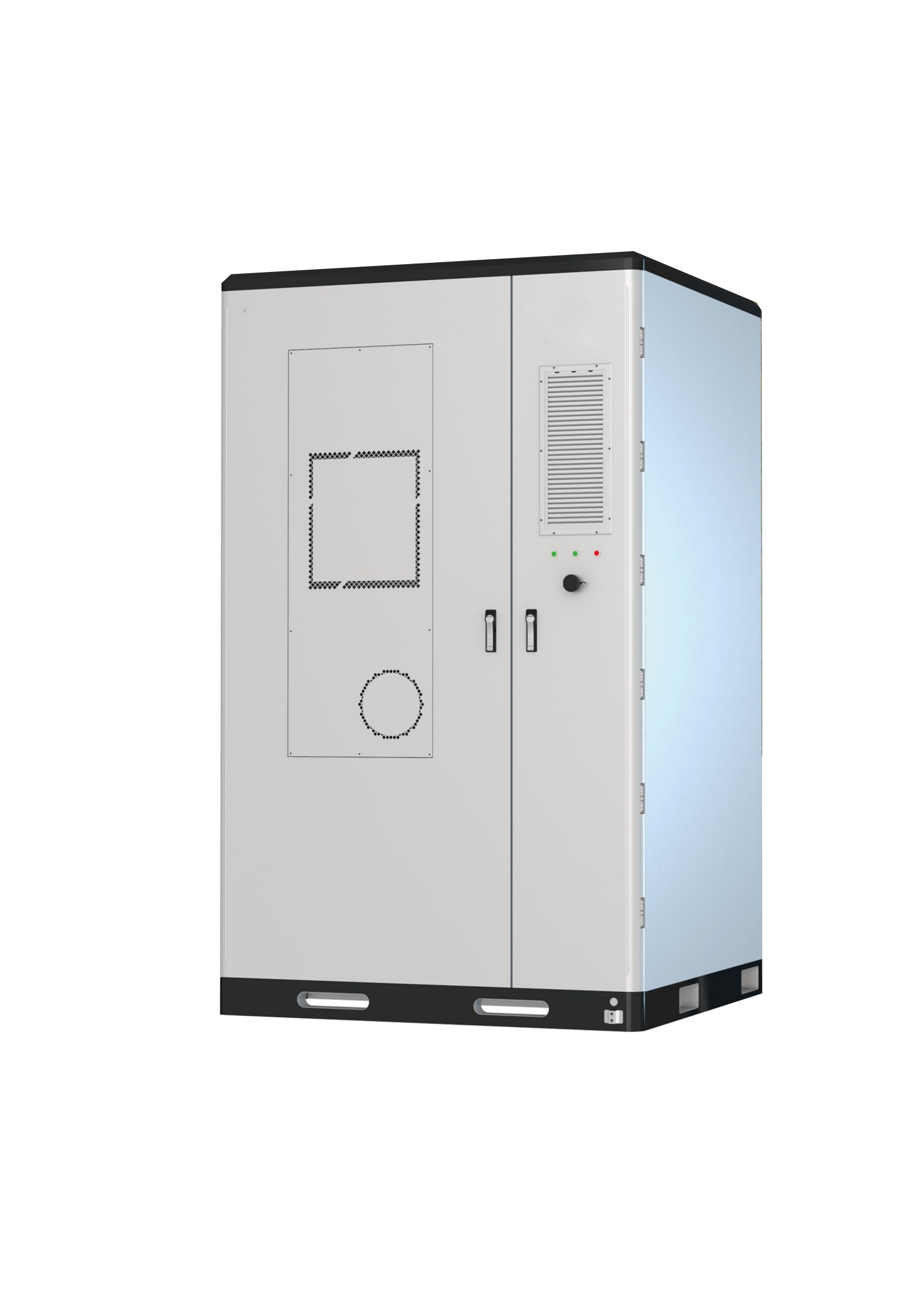
Commercial ESS delivery inspection for factory backup should be prepared before the cabinet or modules arrive at the site. AilumPower’s Commercial and Industrial ESS product is a 100kW rated AC power and 241kWh battery rated energy cabinet route, with model HZ1241100AO, 768V rated battery voltage, 696-852V battery voltage range, LFP battery type, 314Ah battery energy, and 6000 cycles at 0.5C, 5%-95% DOD, 80% SOH. A factory buyer should inspect the delivered goods against these project details, not only against a purchase order number.
The first inspection question is whether the order is a complete ESS cabinet, a high-voltage module route, a liquid cooling module route, or a mix of cabinet and module goods. Each route needs a different receiving record.
A complete Commercial and Industrial ESS cabinet should be inspected as a system. The buyer should confirm the model reference HZ1241100AO, the 241kWh battery rated energy, the 100kW rated AC power, the 110kW maximum power, the 768V rated battery voltage, and the 696-852V battery voltage range. These are not small details. They define whether the delivered cabinet matches the factory backup design.
A module shipment is different. If the order includes the 25.6V/48V/51.2V High Voltage Rack-Mounted Lithium Battery Module, the receiving team should check the exact module option: 48V100AH, 51.2V100AH, or 25.6V200AH. If the order includes the 51.2V High Voltage Rack-Mounted Lithium Battery Module, the check should confirm 51.2V280AH or 51.2V314AH. If it includes the Liquid Cooling High Voltage Rack-Mounted Lithium Battery Module, the check should confirm 153.6V280AH or 166.4V314AH.
A factory project may involve logistics teams, electrical installers, and owners who are not all present at unloading. Nameplate photos, cabinet exterior photos, and service-side photos help the project team confirm what arrived before the cabinet is moved into final position.
Rack-mounted modules can look similar after cartons are opened. The receiving file should connect each module reference to its planned rack or cabinet position before installation begins.
The Commercial and Industrial ESS cabinet is suitable for factories, weak-grid sites, solar storage projects, and commercial backup cabinets. For a factory backup project, the buyer should confirm the cabinet role in the site plan. Is it supporting critical equipment, smoothing a weak grid, storing solar energy, or serving a backup route for a defined load group? That role changes how the owner reads the delivery record.
The delivery inspection should include cabinet condition, model reference, rated AC power, maximum power, battery rated energy, rated battery voltage, voltage range, battery type, and unloading notes. If the purchase file says 100kW rated AC power and 241kWh rated battery energy, the receiving file should show those values in the inspection record rather than leaving them buried in a quotation.
| Inspection item | Cabinet route | Module route | Reason for checking |
|---|---|---|---|
| Product identity | HZ1241100AO cabinet | Module model and capacity | Prevents cabinet goods and module goods from being mixed in one record |
| Electrical role | 100kW rated AC power, 241kWh battery energy | Nominal and usable energy per module | Connects delivery to engineering design |
| Voltage data | 768V rated voltage, 696-852V range | Module-specific voltage range | Helps engineers confirm the correct route before commissioning |
| Communication route | Cabinet system record | RS485/CAN where module data lists it | Keeps service and monitoring expectations clear |
The 25.6V/48V/51.2V High Voltage Rack-Mounted Lithium Battery Module includes 48V100AH, 51.2V100AH, and 25.6V200AH options. The nominal energy values are 4800Wh, 5120Wh, and 5120Wh, while usable energy values are 4320Wh, 4608Wh, and 4608Wh. The product data lists RS485/CAN communication, design life of 10 years+, and charge or discharge voltage ranges of 42.75-53.25V, 45.6-56.8V, and 22.8-28.4V.
If these modules are part of a factory backup project, the receiving team should not record them as one generic high-voltage battery group. The delivery record should separate the exact module option, energy value, voltage range, and expected cabinet position. That protects the installer from building the wrong combination into the rack.
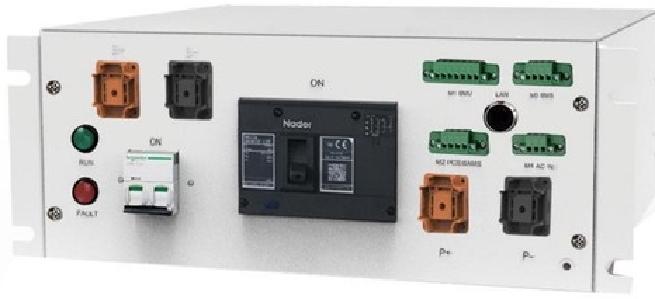
The Liquid Cooling High Voltage Rack-Mounted Lithium Battery Module includes 153.6V280AH and 166.4V314AH options. Nominal energy values are 43008Wh and 52249.6Wh, while usable energy values are 38707.2Wh and 47024.64Wh. The product data lists RS485/CAN communication, at least 6000 cycle life at 25C, and a 136.8-170.4V charge or discharge voltage range.
A buyer should use liquid cooling modules when the project has a real thermal or duty-cycle reason. The delivery inspection should preserve that reason. The record should show the module option, voltage range, energy value, installation position, and photos of the module label before it is moved into the rack. If the thermal route is not documented, later service teams may not know why the liquid cooling module was chosen.
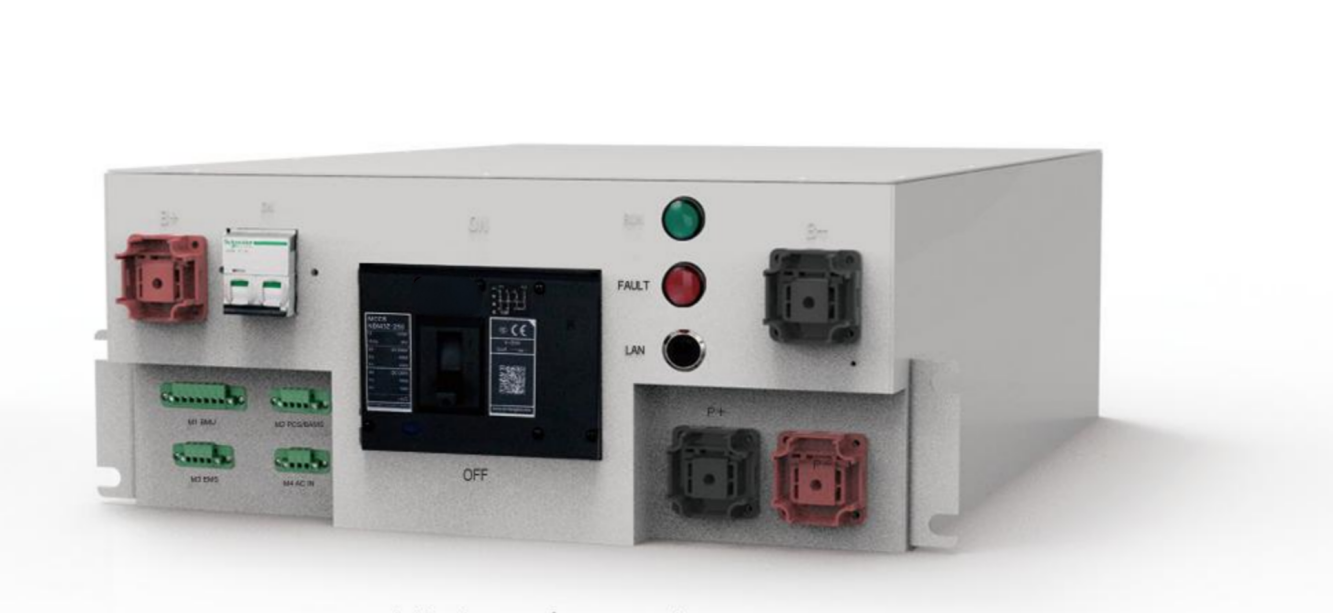
After unloading, the buyer should keep the cabinet or module delivery photos, model references, voltage data, energy data, communication route, and inspection notes in one handover file. For a complete cabinet, the file should show the cabinet model and exterior condition. For rack modules, it should show the module option and planned installation location. For liquid cooling modules, it should keep the thermal route visible.
This is not paperwork for its own sake. Factory backup systems often remain in service for years, and later maintenance may involve people who were not present at delivery. A clear inspection file lets them understand what was installed, why it was selected, and which product data should be checked before replacement or expansion.
Installation should pause if the delivered product route does not match the approved system role. A complete cabinet should not be accepted as a loose module shipment. A high-voltage module should not be installed without confirming its voltage range and energy value. A liquid cooling module should not be treated like an ordinary rack module if the project selected it for thermal reasons.
A careful buyer can still keep the project moving. The receiving team should document the mismatch, photograph labels, compare the product pages, and resolve the route before the goods are placed permanently. For factory backup, a slow inspection is better than a fast installation that leaves the service team with an unclear system record.
A complete 100kW 241kWh ESS cabinet should arrive with a different unloading plan from rack-mounted modules. The factory should know where the cabinet will be staged, whether the service side is protected, and who is responsible for checking exterior condition before it moves indoors. If the goods are modules, the staging area should keep options separated so 25.6V, 48V, 51.2V, and liquid cooling modules do not lose their identity after cartons are opened.
The delivery inspection file should include unloading date, receiving person, visible condition, product label photos, and any packaging damage. If the factory later reports a commissioning problem, this record helps separate shipping damage, site handling, and technical configuration questions.
The inspection record should be reviewed by someone who understands the purchase order and someone who understands the site role. A warehouse receiver can confirm carton count and visible damage, but an engineering representative should confirm whether the product route matches the approved backup design. For a cabinet, that means checking rated power, energy, voltage range, and battery type. For modules, it means checking option, energy, voltage range, and communication route.
When both people sign the same record, the project has a clearer handoff into installation. If only the warehouse signs, technical mismatches may stay hidden until commissioning. If only the engineering team signs, packaging and delivery condition may not be captured well enough for later claims or service review.
Visible damage and specification mismatch are different problems. A cabinet can arrive with correct electrical data but damaged packaging. A module can arrive in good condition but with the wrong voltage or capacity option. The inspection file should separate these findings so the response is clear. Packaging damage may require photos and logistics notes. Specification mismatch may require comparison with the approved product route before installation.
For HZ1241100AO, the specification check should focus on cabinet identity, 100kW rated AC power, 241kWh battery energy, 768V rated voltage, and 696-852V voltage range. For liquid cooling modules, it should focus on 153.6V280AH or 166.4V314AH options, energy values, and voltage range. For high-voltage rack modules, it should confirm the exact 25.6V, 48V, or 51.2V route.
The delivery record should not disappear after commissioning. Factory backup owners should keep it with operating documents, maintenance notes, and later replacement records. The file should help a future service team understand what was delivered and why the product was selected. It should also show whether the site started with a complete cabinet or a module-based route.
That history matters when the factory expands storage, replaces modules, or changes the backup load. A clear inspection file keeps the original 100kW 241kWh cabinet route or module route visible, so the next decision is based on the real system rather than a memory of the first purchase.
Accessory and document packages should be checked at the same time as the cabinet or modules. The buyer should keep manuals, packing lists, labels, and any accessory references with the inspection file. If accessories are separated from the cabinet or module route, commissioning teams may lose time looking for information that arrived with the shipment but was not assigned to the system owner.
For a factory backup project, the document package is part of the delivery. It connects the physical ESS to the approved power, energy, voltage, and service record. Treating it as a separate loose item weakens the handoff before the system is even installed.
The document package should also name who received it. A factory may have warehouse staff, an electrical contractor, and a facility manager involved in the same delivery. If the papers stay with the warehouse while the cabinet moves to the equipment room, the commissioning team may not have the product route in front of them. Assigning the document package to the system owner keeps the inspection record complete.
That small administrative step supports later maintenance. When the factory reviews the ESS after months of operation, the original documents, delivery photos, and inspection notes should still point to the same cabinet or module route.
It also helps the owner separate delivery questions from operating questions during future service reviews, replacement discussions, or expansion planning. The cabinet record stays connected to factory backup responsibility and later module decisions during future factory storage upgrades.
