

Get quote
Get Free Consultation!
We are ready to answer right now! free consultation.
Email:ttxxkj888@gmail.com
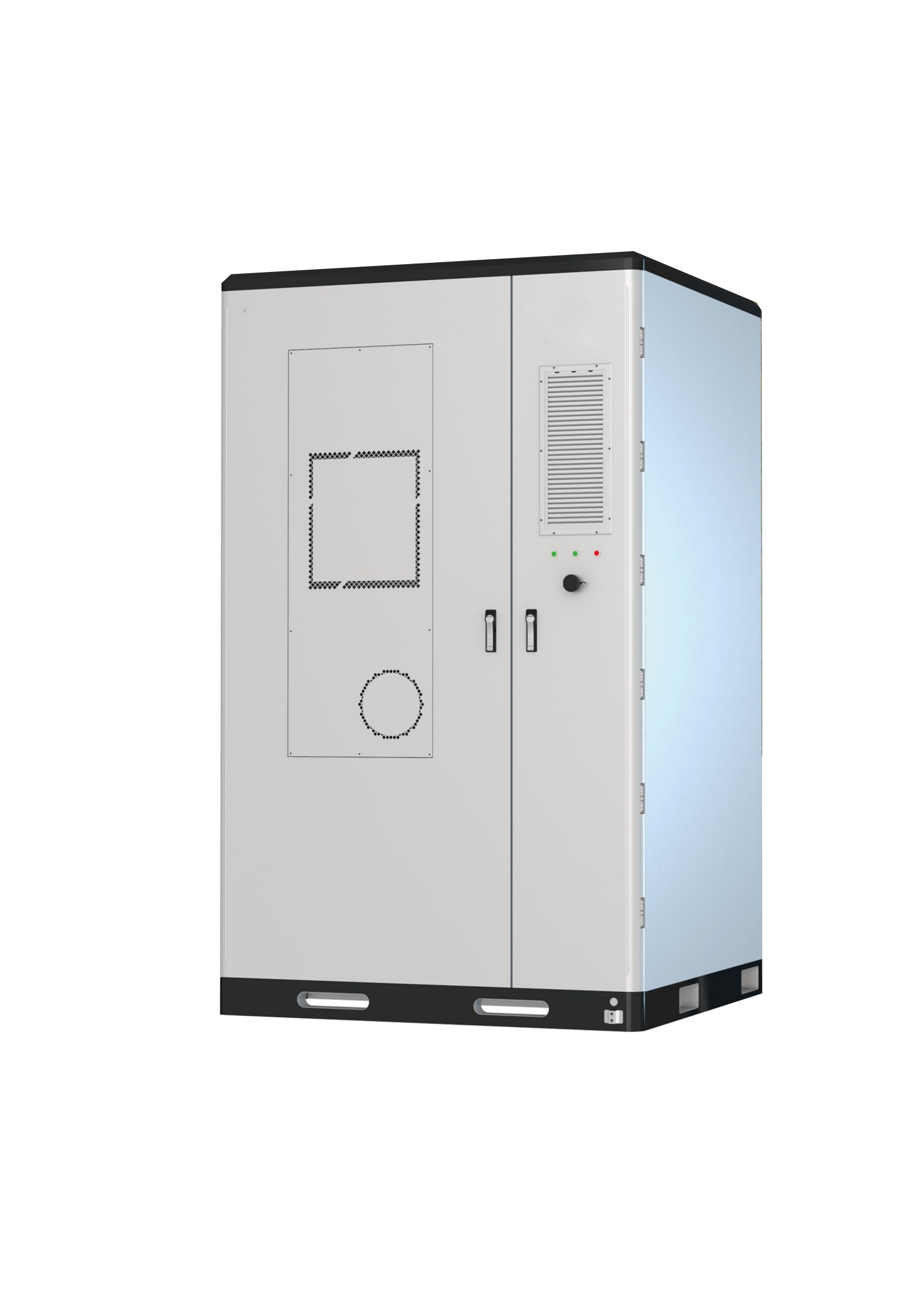
Commercial ESS voltage range and module selection should be handled as an engineering handoff, not as a cabinet photo request. Industrial buyers, EPC teams, and facility owners need to decide whether they are purchasing a complete AilumPower Commercial and Industrial ESS cabinet, a high-voltage rack-mounted module route, a liquid cooling module route, or a smaller rack battery path for a lighter project. The first details to confirm are rated AC power, battery energy, rated battery voltage, voltage range, battery type, communication route, thermal expectation, and service access.
For AilumPower’s Commercial and Industrial ESS, model HZ1241100AO gives a clear cabinet reference: 241kWh rated battery energy, 768V rated battery voltage, 696-852V battery voltage range, LFP battery type, 314Ah battery energy, 100kW rated AC power, and 110kW maximum power.
A 696-852V battery voltage range means the project is not in the same buying lane as a residential wall pack or a simple 51.2V rack pack. The buyer should confirm whether the site needs a complete cabinet system with AC power, battery energy, and commissioning expectations, or whether the buyer is actually collecting module options for an integrator. A factory backup project, weak-grid site, or solar storage project may need the full HZ1241100AO cabinet route. A smaller equipment room may not.
Industrial buyers often begin with a requested power level, then discover that space, ventilation, cable route, and service access decide the product path. A 100kW cabinet route should include the cabinet footprint discussion, battery voltage range, battery type, energy capacity, AC side requirement, delivery route, and commissioning responsibility. If those details are missing, the purchase file is not ready.
AilumPower’s 25.6V/48V/51.2V High Voltage Rack-Mounted Lithium Battery Module gives another route for commercial storage architecture. It includes 48V100AH, 51.2V100AH, and 25.6V200AH module options, with 4800Wh, 5120Wh, and 5120Wh nominal energy options. Usable energy options are 4320Wh, 4608Wh, and 4608Wh. It also lists RS485/CAN communication, design life of 10 years+, and charge or discharge voltage ranges of 42.75-53.25V, 45.6-56.8V, and 22.8-28.4V.
This product should be discussed when the buyer or integrator is building a commercial rack architecture and needs module-level evidence. It should not be confused with the complete Commercial and Industrial ESS cabinet. A module may be correct inside a designed system, while a complete cabinet may be better when the buyer wants a more defined storage product with rated AC power and a cabinet-level handoff.
| AilumPower route | Specification evidence | Best buying situation | Risk if misused |
|---|---|---|---|
| Commercial and Industrial ESS | HZ1241100AO, 241kWh, 768V rated battery voltage, 696-852V range, 100kW rated AC power | Industrial cabinet projects needing a defined system route | Oversized for small low-voltage backup projects |
| 25.6V/48V/51.2V high-voltage module | 48V100AH, 51.2V100AH, 25.6V200AH options with RS485/CAN | Commercial rack architecture needing module selection | Unclear if no cabinet architecture is already defined |
| 51.2V high-voltage module | 51.2V280AH and 51.2V314AH, 14336Wh and 16076.8Wh nominal energy | Higher-capacity rack module planning | Not a mobile or wall-mounted storage replacement |
| Liquid cooling high-voltage module | 153.6V280AH and 166.4V314AH, 43008Wh and 52249.6Wh nominal energy | Larger commercial projects where thermal behavior matters | Unnecessary complexity for small storage rooms |
The Liquid Cooling High Voltage Rack-Mounted Lithium Battery Module includes 153.6V280AH and 166.4V314AH module options. Nominal energy values are 43008Wh and 52249.6Wh, while usable energy values are 38707.2Wh and 47024.64Wh. The product data lists RS485/CAN communication, a cycle life of at least 6000 cycles at 25C, and a 136.8-170.4V charge or discharge voltage range.
A buyer should bring liquid cooling into the conversation when repeated operation, module density, cabinet design, or thermal stability is a real project condition. It should not be added only because the term sounds stronger. If a project can be served by ordinary high-voltage rack modules, the buyer should compare cost, service complexity, cooling route, and installation responsibility before moving to liquid cooling.
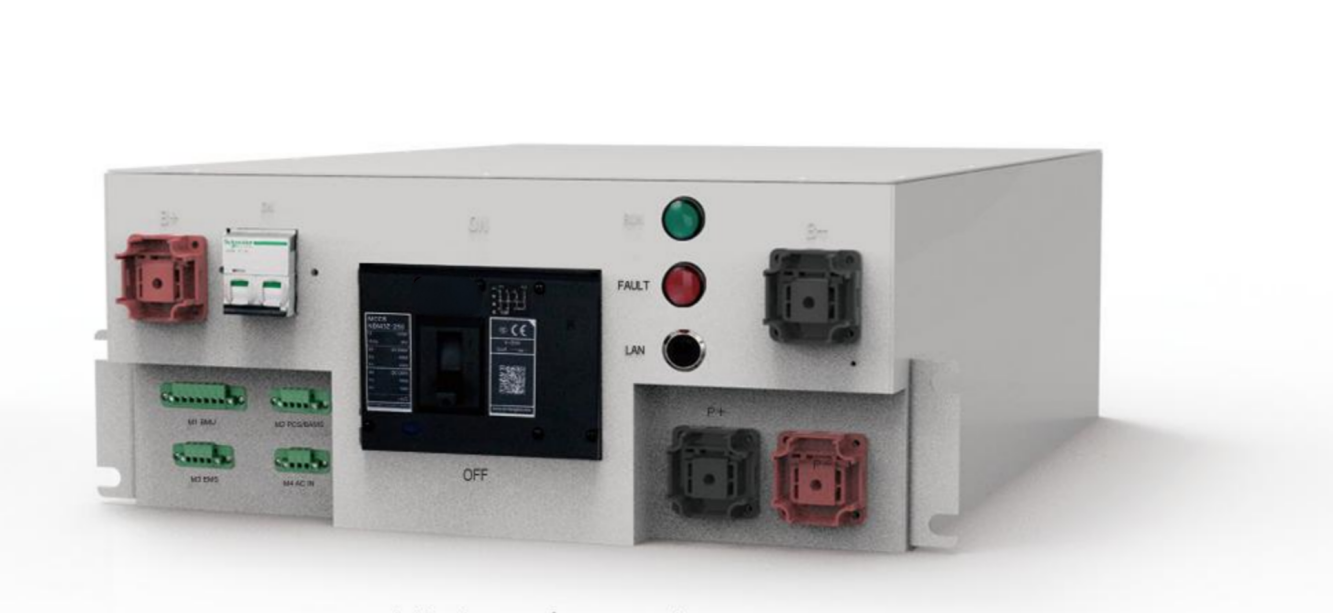
The 51.2V High Voltage Rack-Mounted Lithium Battery Module includes 51.2V280AH and 51.2V314AH options, with 14336Wh and 16076.8Wh nominal energy, 12902.4Wh and 14469.12Wh usable energy, RS485/CAN communication, at least 6000 cycle life at 25C, and 140A or 157A charge and discharge current options. This is a commercial energy storage module route, not just another residential rack battery.
A smaller project may still need the 51.2V Rack Mounted Lithium Battery Pack rather than a high-voltage module path. That product includes 51.2V100AH, 51.2V200AH, 51.2V280AH, and 51.2V314AH module options, with nominal energy from 5120Wh to 16076.8Wh and usable energy from 4608Wh to 14469.12Wh. Buyers should separate the commercial module route from the residential or light commercial rack pack route before asking for price comparison.
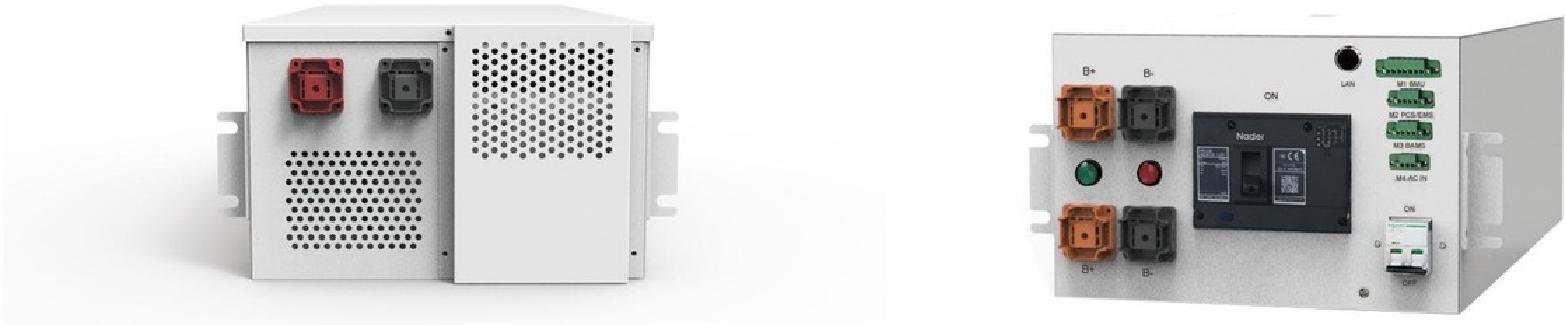
The handoff should include the selected product page, cabinet or module route, rated energy, usable energy when available, rated battery voltage, voltage range, battery type, communication method, charge and discharge current when relevant, cooling route, and service access. It should also identify whether the project is buying a complete cabinet, module building blocks, or a smaller rack pack.
Receiving inspection should reflect that choice. A complete cabinet should be checked as a system with model reference, cabinet condition, accessory package, and shipping condition. Rack modules should be checked by module model, voltage route, communication route, carton labels, terminal condition, and visible damage. Liquid cooling modules should include cooling-related handling notes in the receiving file.
A quotation document can show the selected product, price, and broad specification, but an engineering handoff file needs more detail. For a Commercial and Industrial ESS cabinet, the handoff should include HZ1241100AO, 241kWh rated battery energy, 768V rated voltage, 696-852V voltage range, LFP battery type, 314Ah battery energy, 100kW rated AC power, and 110kW maximum power. It should also state who is responsible for site preparation, unloading, cabinet placement, and commissioning coordination.
For rack modules, the handoff should move from cabinet-level language to module-level language. The buyer should list module voltage, nominal energy, usable energy, communication method, current values when available, and the intended cabinet architecture. If those details are absent, the project may not be ready for module purchasing. A module order without a cabinet architecture can create more clarification work than a complete cabinet order.
The receiving team should check a complete ESS cabinet differently from rack-mounted modules. For a cabinet, the team should inspect cabinet exterior condition, model reference, accessory package, shipping marks, and whether the delivery matches the approved cabinet route. For high-voltage rack modules, the team should inspect carton labels, module model, terminal condition, visible case damage, communication references, and whether each module group is separated by voltage route.
If a shipment includes liquid cooling modules, the receiving file should also preserve cooling-related handling notes and product images. If the shipment includes 51.2V high-voltage modules and smaller rack packs, they should not be stored together under one broad battery label. The buyer should be able to trace each product from approved page to receiving photo to installation position.
A factory backup project that needs defined AC power and a clear cabinet system should start from the Commercial and Industrial ESS route. The buyer can then check whether 100kW rated AC power and 241kWh battery energy fit the load profile and site plan. A system integrator building its own cabinet may begin with high-voltage rack modules instead, but that buyer should already know the cabinet architecture, communication plan, protection plan, and thermal route. Without those items, module purchasing can become premature.
A solar-plus-storage site may sit between these two cases. If the buyer wants a complete cabinet with a defined voltage range and handoff, the HZ1241100AO cabinet route is cleaner. If the buyer is designing a custom rack system, the 25.6V/48V/51.2V high-voltage module or 51.2V high-voltage module route may be relevant. If the project has repeated high-duty operation or cabinet density concerns, the liquid cooling high-voltage module should be reviewed with thermal management in mind.
Before approving a commercial ESS order, the buyer should answer several practical questions. Is the product a complete cabinet or a module route? Is the voltage range already approved by the engineering team? Is the installation site prepared for unloading and placement? Does the project need liquid cooling, or is a standard high-voltage module route enough? Does the handoff show RS485/CAN communication requirements where they apply? Does the receiving team know how to separate cabinet goods, module goods, and accessory packages?
These questions keep the purchase discussion tied to real project execution. They also prevent a buyer from comparing products that do not belong in the same lane. A 100kW 241kWh cabinet, a 153.6V liquid cooling module, a 51.2V high-voltage module, and a 51.2V rack pack can all be valid AilumPower products, but they solve different levels of storage planning. The order should show which level the project actually needs.
Service responsibility can decide whether a complete cabinet or module route is the safer purchase. If the buyer expects a defined cabinet system, the Commercial and Industrial ESS route keeps the discussion around one cabinet product. If an integrator owns cabinet design, module layout, protection, and commissioning logic, high-voltage rack modules may be appropriate. If no party has clearly accepted that integration responsibility, a module purchase may create gaps between quotation, delivery, and installation.
The buyer should ask who will approve the voltage range, who will check the communication route, who will prepare the cabinet space, and who will sign off after installation. These questions are not paperwork for its own sake. They decide whether the storage product can move from order to operation without repeated technical disputes.
When responsibility is unclear, choosing a complete cabinet route may reduce coordination risk. When the integrator has strong control over design and commissioning, module selection can be more flexible.
The buyer should make that responsibility visible in the purchase file so the selected storage route has an owner after delivery. That owner should also receive the model list, voltage range, communication route, and receiving photos.
For a 241kWh HZ1241100AO cabinet, those photos should include the cabinet nameplate and service-side access. For liquid cooling modules, they should also show the module reference and installation position, because later service depends on knowing which high-voltage block was installed.
Use the 100kW 241kWh Commercial and Industrial ESS route when the buyer needs a defined cabinet with rated AC power, battery energy, and voltage range. Use high-voltage rack modules when an integrator is building a module-based architecture and has already defined the cabinet logic. Use liquid cooling modules when the project has a real thermal or duty-cycle reason. Use smaller rack packs when the job is closer to light commercial or residential storage. A clean purchase decision names the voltage range and the product role at the same time.
