

Get quote
Get Free Consultation!
We are ready to answer right now! free consultation.
Email:ttxxkj888@gmail.com
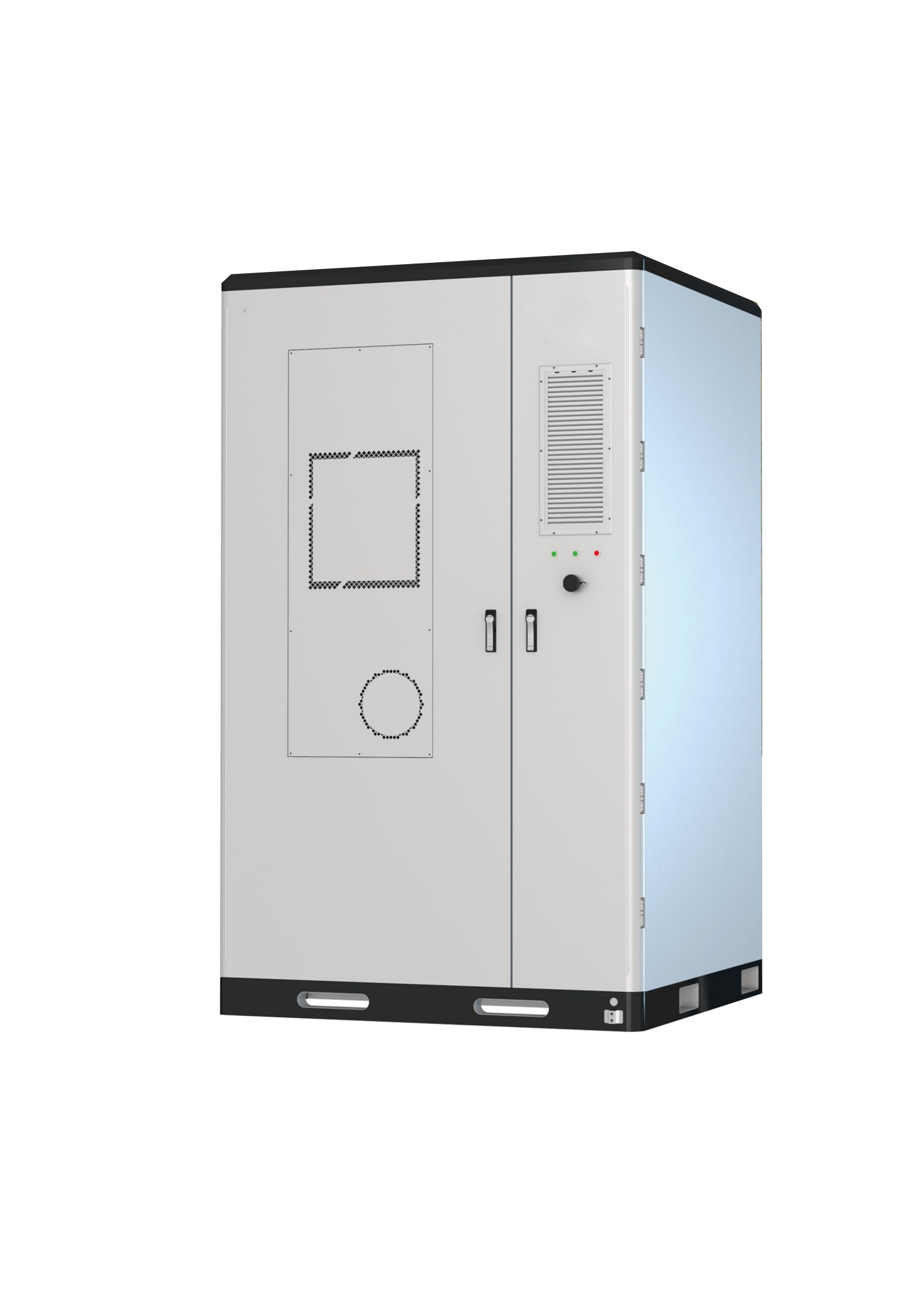
A commercial BESS commissioning checklist helps factory owners, EPC teams, and industrial buyers turn a battery cabinet purchase into a controlled operating asset. For AilumPower projects, the core product route is the Commercial and Industrial ESS model HZ1241100AO, an on-grid cabinet with 241kWh battery rated energy, 768V rated battery voltage, 696-852V battery voltage range, LFP battery type, 314Ah battery energy, 100kW rated AC power, and 110kW maximum power.
The first item to confirm is the intended operating role. A factory backup cabinet, weak-grid support project, solar self-consumption project, and peak-load management project can use similar hardware language but require different commissioning evidence. The checklist should not be a generic signature sheet. It should connect the AilumPower cabinet, module route, cooling route, BMS communication, EMS communication, site safety controls, and operating documents into one handover record.
Professional commissioning guidance treats the process as a project-phase activity, not a final-day formality. The U.S. Department of Energy procurement checklist frames BESS planning around tasks, questions, and reference points for commercial-scale lithium-ion systems. The EPRI commissioning guide emphasizes roles, defined testing, safety review, deployment integration, operations, and recommissioning triggers. For a buyer, that means the checklist should exist before the cabinet arrives on site.
For the AilumPower HZ1241100AO cabinet, the pre-energization record should identify the product model, cabinet role, AC connection, battery route, communication route, safety equipment, site access, and responsible parties. If the buyer waits until the installer is ready to power on the system, important details may be scattered across quotations, packing lists, drawings, and chat records. A factory backup project needs one controlled file that the owner, EPC team, installer, and service team can all read.
A factory may buy a BESS because production cannot tolerate short grid interruptions, because solar output needs buffering, or because the site has weak-grid conditions. Those goals should be named in the checklist. HZ1241100AO has 241kWh rated energy and 100kW rated AC power, but the commissioning team still needs to know what the cabinet is expected to do. The operating role determines which data should be watched during commissioning and which site personnel should be trained before handover.
AilumPower’s Commercial and Industrial ESS product page lists rated AC voltage of 400V, AC voltage range of plus or minus 15%, rated AC frequency of 50/60Hz, wiring method of 3P+N+PE, maximum current of 160A, and current distortion rate THDI below 3% at rated power. Those are not just catalog values. They are commissioning checkpoints. The buyer should make sure the electrical drawing, site distribution panel, protection settings, and acceptance record all match the approved cabinet route.
A common mistake is to treat the cabinet and the module as one line item. The HZ1241100AO cabinet lists 1P240S battery pack series and parallel structure, module cooling method of air cooling, BMS communication by CAN, EMS communications by 4G/CAN/RS485, energy cycle efficiency at least 90%, IP54 protection level, C3 corrosion resistance by default with C4/C5 optional, and a 2.6-ton cabinet weight. The module pages add separate details such as nominal energy, usable energy, cooling method, monitoring items, operating temperature, storage temperature, humidity, dimensions, weight, and certifications.
If the project includes AilumPower 25.6V/48V/51.2V high-voltage rack-mounted modules, the commissioning checklist should show whether the module route is 48V100Ah, 51.2V100Ah, or 25.6V200Ah. Each option has 5120Wh or 4800Wh nominal energy, 4320Wh or 4608Wh usable energy, RS485/CAN communication, air cooling, operation temperature from 0C to 40C, storage temperature from -20C to 70C, humidity from 15% to 80%, 482 x 430 x 178mm dimensions, and 49kg weight. If the project uses 51.2V high-voltage modules, the checklist should separate the 51.2V280Ah and 51.2V314Ah options with nominal energy of 14336Wh and 16076.8Wh.
| Commissioning area | AilumPower data to verify | Why it matters on site |
|---|---|---|
| Cabinet identity | HZ1241100AO, 241kWh, 768V rated battery voltage, 696-852V battery voltage range | Prevents a factory backup file from mixing cabinet and module-level data |
| AC connection | 100kW rated AC power, 110kW maximum power, 400V, 50/60Hz, 3P+N+PE | Connects the equipment record to the site distribution and protection plan |
| Communication | BMS CAN, EMS 4G/CAN/RS485 | Confirms the site can read and manage the system after energization |
| Environment | IP54, 0-95% non-condensing humidity, -30C to 55C ambient temperature with derating above 45C | Checks whether the cabinet location fits the operating conditions |
| Cooling route | Air cooling in the cabinet or liquid cooling in selected high-voltage modules | Changes what the receiving, installation, and service team must inspect |
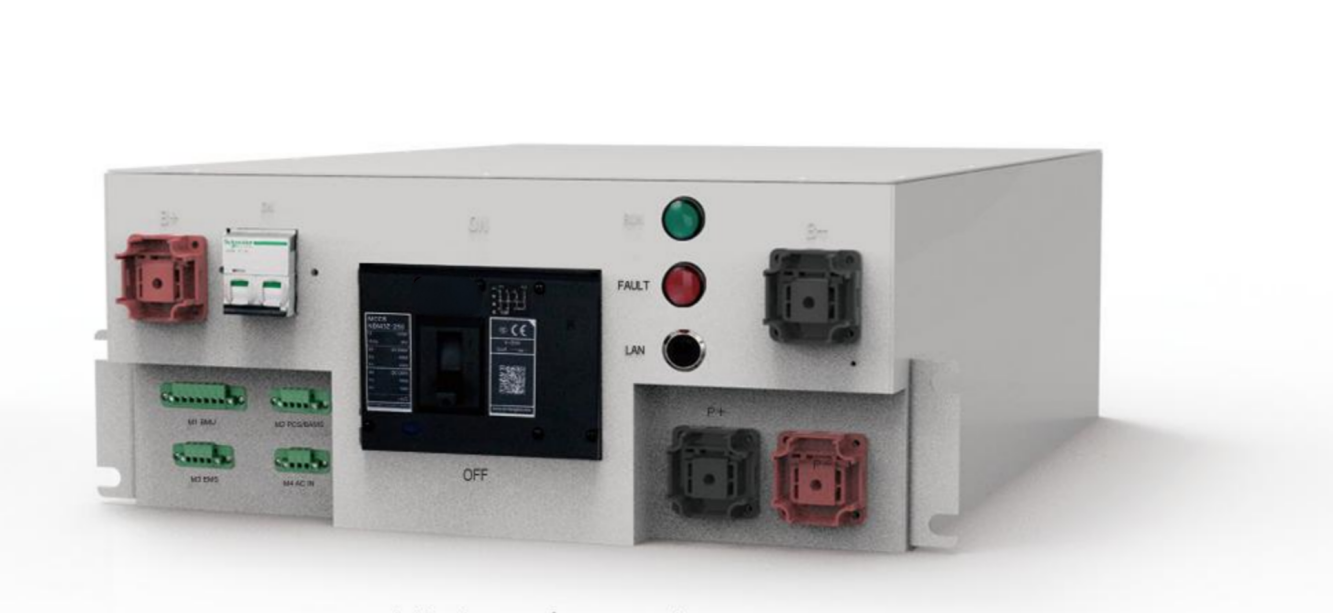
AilumPower’s Liquid Cooling High Voltage Rack-Mounted Lithium Battery Module page lists 153.6V280Ah and 166.4V314Ah module options, with nominal energy of 43008Wh and 52249.6Wh, usable energy of 38707.2Wh and 47024.64Wh, cycle life at least 6000 cycles at 25C, RS485/CAN communication, liquid cooling, and monitoring of system voltage, cell voltage, cell temperature, system current, and SOC. The operation temperature is 0C to 40C, storage temperature is -20C to 70C, and humidity is 15% to 80%.
Those details change commissioning. The checklist should verify cooling route identity, module labels, temperature monitoring, communication records, and cabinet integration. If a buyer only checks nominal energy and voltage, the team may miss the service responsibilities that make a liquid cooling route different from an air-cooled module route. The same is true when comparing 51.2V high-voltage modules: air cooling may simplify inspection, but it still needs cell temperature, voltage, current, and SOC monitoring records.
General BESS commissioning references emphasize safety controls, thermal management, ventilation or cooling systems, and defined testing. For AilumPower products, the buyer should not turn that into a vague line called “thermal check.” The checklist should state whether the cabinet uses air cooling, whether the selected module route is air-cooled or liquid-cooled, which temperature values will be visible to the BMS or EMS, and which party will respond if temperatures move outside the expected range.
AilumPower’s cabinet lists BMS communication by CAN and EMS communication by 4G/CAN/RS485. Module pages list RS485/CAN communication and monitoring of voltage, cell voltage, cell temperature, system current, and SOC. Commissioning should confirm that these data points are not only available during installation but also usable by the party responsible for operation. A factory backup system is not fully handed over if the owner cannot read the system state after the commissioning team leaves.
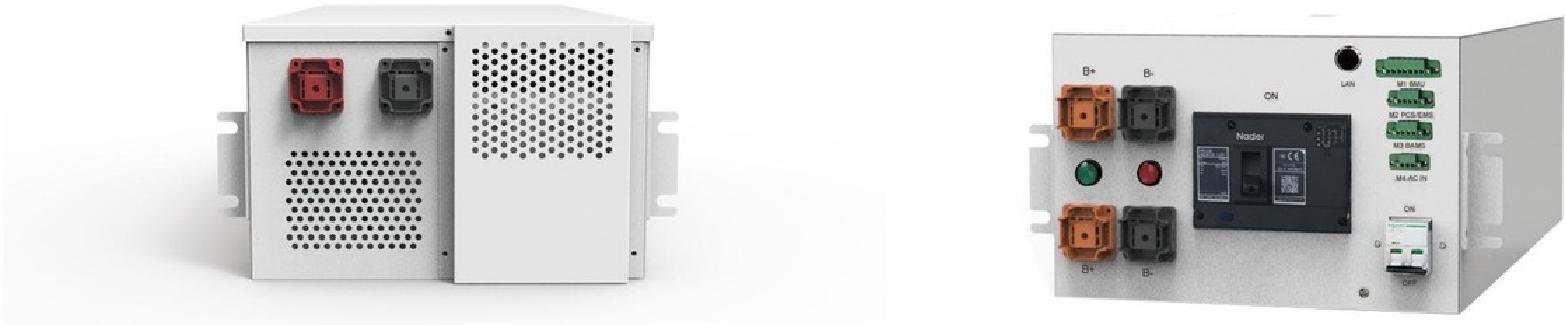
A commissioning checklist for a factory backup BESS should include at least five groups of evidence. First, equipment identity: cabinet model, module route, rated energy, rated power, voltage range, serial labels, and photos. Second, installation fit: cabinet location, clearance, grounding route, cable entry, protection level, humidity condition, ambient temperature, and any derating concern. Third, communication: BMS CAN, EMS 4G/CAN/RS485, visible system voltage, cell voltage, cell temperature, system current, and SOC. Fourth, safety and controls: fire fighting option if selected, emergency procedures, warning labels, access control, and responsible operators. Fifth, operating baseline: initial readings, acceptance test results, unresolved items, corrective action plan, and owner training record.
The buyer should also preserve a punch list. If an item is not ready, the commissioning file should not hide it under a signature. It should show what is missing, who owns the correction, and whether energization, trial operation, or formal handover can proceed. That is the difference between a useful commissioning checklist and a decorative form.
A factory commissioning day should be organized around roles, not only around equipment. The owner should know who approves electrical readiness, who confirms fire and access controls, who records BMS and EMS data, who reviews alarms, who receives operator training, and who signs unresolved items. If the site has production schedules that cannot be interrupted, trial operation timing should also be agreed before the cabinet is energized.
For an AilumPower 100kW 241kWh factory backup cabinet, the buyer can make the commissioning day more useful by preparing a short data sheet in advance. It should list battery rated energy, battery rated voltage, battery voltage range, rated AC power, maximum AC power, AC voltage, wiring method, cabinet dimensions of 1050 x 1330 x 2400mm, 2.6-ton weight, IP54 protection level, and communication routes. That sheet lets the team check the installed cabinet against the approved order without searching through several documents.
The owner should also decide what counts as acceptable handover evidence. Photos alone are not enough. The commissioning package should include equipment identity, measured readings, screenshots or logs from the monitoring system when available, operator names, training notes, and a list of open items. When the system is later serviced, this package becomes the baseline for comparing normal readings against new faults.
Commissioning is also the right time to decide how service information will be kept. If the project uses 51.2V high-voltage modules, the owner should know whether the installed route is 51.2V280Ah or 51.2V314Ah and whether a spare module would need the same communication, cooling, and monitoring profile. If the project uses liquid cooling modules, the service file should preserve the 153.6V280Ah or 166.4V314Ah route, cooling method, current rating, weight, dimensions, and monitoring fields.
This is not the same as buying spare parts immediately. It is about preventing future confusion. A factory buyer may not need to order replacement modules on the commissioning day, but the team should know exactly which module route is installed and how a later replacement would be verified. The stronger the original commissioning record, the easier it is to avoid mixing module voltages, cooling routes, or communication assumptions during future service.
Commercial BESS commissioning should also prepare for future changes. EPRI guidance notes that changes in operational use, storage capacity, software updates, or major component replacement may trigger recommissioning. For an AilumPower factory backup project, the buyer should keep that idea in the operating file. If the site later changes from backup-only operation to solar self-consumption, adds modules, replaces a high-voltage module, changes EMS communication, or updates control settings, part of the original checklist should be reopened.
This is especially important for industrial buyers because the system may stay in service for years. The original commissioning file should help the owner know what was installed, what was tested, who accepted it, and what values were normal at handover. A 100kW 241kWh cabinet is not a simple appliance. It is an operating system with battery, PCS, BMS, EMS, cooling, protection, and site responsibility. The buyer who treats commissioning as an operating record will have a cleaner service path than the buyer who treats it as the last page of the delivery package.
