

RS485 CAN Lithium Battery Communication for Solar Storage Buyers

RS485 CAN Lithium Battery Communication for Solar Storage Buyers
RS485 CAN lithium battery communication for solar storage matters when the battery will be connected to an inverter, a cabinet controller, a monitoring device, or a service record that must stay clear after installation. AilumPower lists RS485/CAN/Bluetooth optional communication on its 48V wall-mounted, 48V rack-mounted, 51.2V rack-mounted, stacked, and mobile lithium battery packs, while the high-voltage rack modules list RS485/CAN. The buyer should not treat those interfaces as a decorative line in the specification. They decide how the installer labels the system, how the owner records the battery route, and how later service teams understand what was delivered.
The first check is not “which protocol is better.” It is whether the project is a wall pack beside a home inverter, a cabinet rack with repeatable service access, an expandable stacked battery, a temporary mobile pack, or a commercial module route. The communication note should follow that physical route.
RS485 CAN lithium battery communication for solar storage starts with the system layout
A wall-mounted solar storage project often has a short wiring path, limited battery quantity, and a clear owner expectation: the system should be easy to understand and easy to service without a large equipment room. The AilumPower 48V Wall Mounted Lithium Battery Pack includes 48V100AH, 48V200AH, 48V280AH, and 48V314AH options, with nominal energy from 4800Wh to 15072Wh and usable energy from 4320Wh to 13564.8Wh. Its HZW-100-15S, HZW-200-15S, HZW-280-15S, and HZW-314-15S references should appear in the communication record beside the chosen interface.
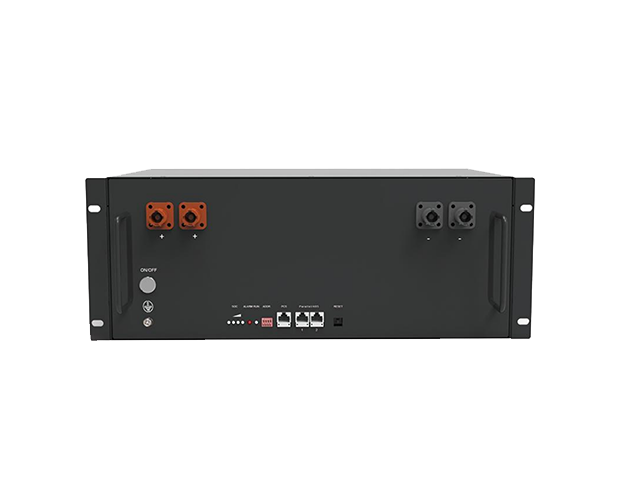
A rack project is different. The AilumPower 48V Rack Mounted Lithium Battery Pack uses the same 48V100AH to 48V314AH capacity ladder, but the HZR-100-15S, HZR-200-15S, HZR-280-15S, and HZR-314-15S references belong in a cabinet record. That cabinet record should show whether RS485, CAN, or Bluetooth optional communication is being used and which pack positions match which labels.
Wall battery orders need interface notes that installers can read quickly
A small solar backup installer may only install one or two wall batteries. Even then, the purchase file should name the exact pack reference, capacity, nominal energy, usable energy, and communication option. If the battery is later replaced, the service team should not have to guess whether the original order depended on RS485, CAN, or Bluetooth optional communication.
Rack battery orders need model-level communication labels
A cabinet project may include several rack batteries in one equipment room. If the buyer only writes “48V rack battery with communication,” the receiving team cannot easily separate a 48V100AH module from a 48V314AH module when boxes are opened. The label should match the HZR reference, the capacity, and the expected communication route.
When Bluetooth helps and when RS485/CAN should control the lithium battery record
Bluetooth optional communication can be useful for local checks, especially where the buyer wants a simple way to view information during installation or maintenance. It should not replace a written system record. For repeat solar storage projects, the buyer still needs a clear note showing whether the wired interface expectation is RS485 or CAN. That written note is what the integrator, inverter supplier, cabinet builder, and service team can all read later.
A distributor selling mixed residential storage products should separate communication language by product family. A quote that lists 48V Wall Mounted Lithium Battery Pack, 48V Rack Mounted Lithium Battery Pack, 51.2V Rack Mounted Lithium Battery Pack, and Stacked Lithium Battery Pack should not use one vague communication line for all four. Each product route has its own mounting format, model references, energy range, and service logic.
| Battery route | Communication detail to record | Why it matters |
|---|---|---|
| 48V wall-mounted pack | HZW reference, capacity, and RS485/CAN/Bluetooth optional route | Helps a compact solar backup room stay understandable during service |
| 48V rack-mounted pack | HZR reference, rack position, capacity, and interface route | Keeps cabinet wiring and receiving records aligned |
| 51.2V rack-mounted pack | 16S HZR reference, energy step, and interface route | Prevents the buyer from mixing 48V and 51.2V cabinet assumptions |
| Stacked lithium battery pack | HZS-100-16S stack quantity and communication route | Supports expansion records when more modules are added later |
51.2V rack and stacked batteries need clearer solar storage handoff notes
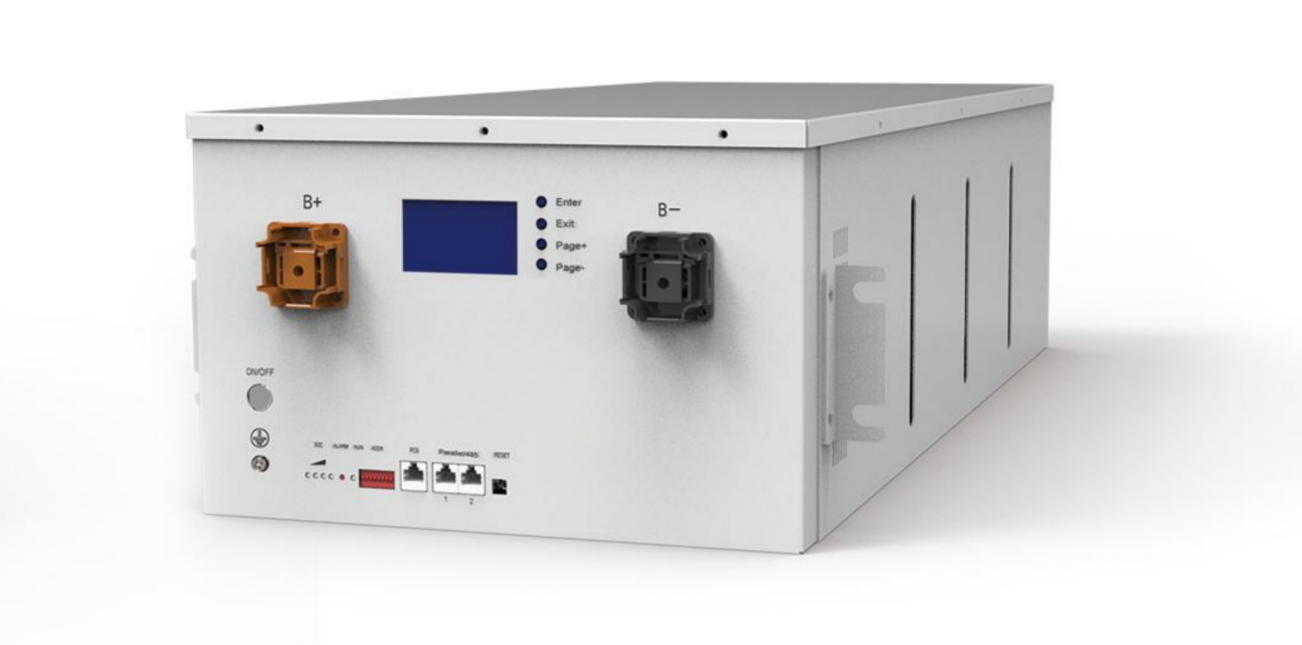
The AilumPower 51.2V Rack Mounted Lithium Battery Pack includes 51.2V100AH, 51.2V200AH, 51.2V280AH, and 51.2V314AH options. Nominal energy ranges from 5120Wh to 16076.8Wh, while usable energy ranges from 4608Wh to 14469.12Wh. The HZR-100-16S, HZR-200-16S, HZR-280-16S, and HZR-314-16S references show that this is a 16S rack route, not a simple wording change from a 48V cabinet order.
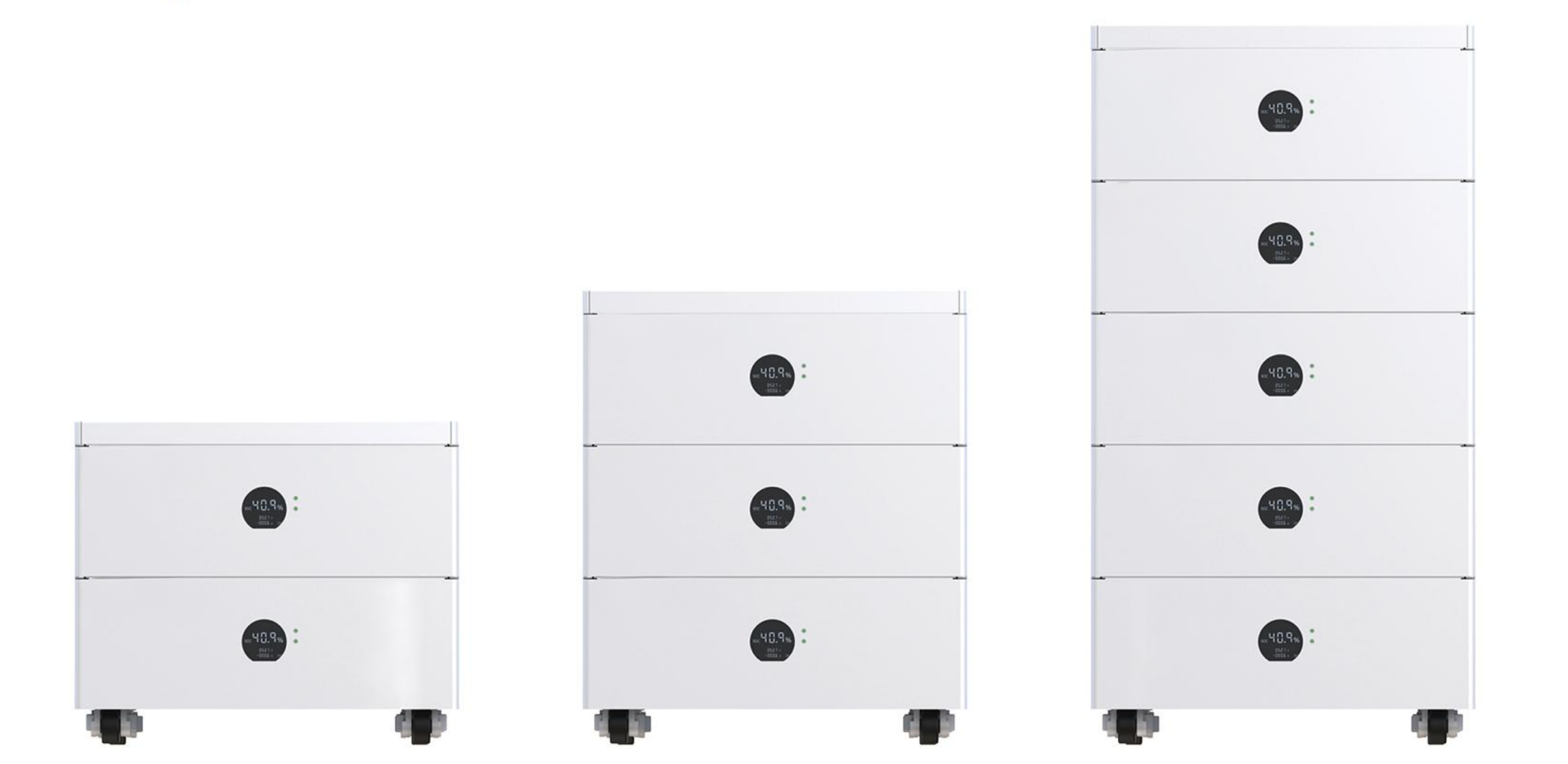
The Stacked Lithium Battery Pack uses 51.2V100AH stacked modules with nominal energy steps of 10240Wh, 15360Wh, 20480Wh, 25600Wh, and 30720Wh. Its usable energy steps run from 9216Wh to 27648Wh, and the HZS-100-16S reference should appear in the expansion plan. For a buyer who expects to add capacity later, the communication record should not only name the first stack. It should leave room for the next stack to be documented without rewriting the whole system file.
Temporary site batteries should not copy permanent cabinet communication assumptions
The AilumPower 51.2V Mobile Lithium Battery Pack is made for a different buying situation. It has 51.2V280AH and 51.2V314AH options, with nominal energy of 14336Wh and 16076.8Wh and usable energy of 12902.4Wh and 14469.12Wh. Its HZM-280-16S and HZM-314-16S references fit temporary site backup, movable project loads, and flexible power deployment. A buyer may still need RS485/CAN/Bluetooth optional communication, but the written handoff should say that the product is mobile, not a fixed rack component.
A contractor using mobile power for temporary maintenance should not receive the same instruction sheet as a permanent cabinet room. The mobile pack may move between locations, so the record should include the battery reference, capacity, intended load type, inspection date, and communication route. That is more useful than a generic “lithium battery communication” line.
High-voltage modules require RS485/CAN notes tied to the cabinet architecture
AilumPower’s 25.6V/48V/51.2V High Voltage Rack-Mounted Lithium Battery Module lists 48V100AH, 51.2V100AH, and 25.6V200AH options, with nominal energy options of 4800Wh, 5120Wh, and 5120Wh. The usable energy options are 4320Wh, 4608Wh, and 4608Wh, and the product data lists RS485/CAN communication. The buyer should connect those details to the system architecture before approving the order.
The 51.2V High Voltage Rack-Mounted Lithium Battery Module moves into higher-capacity module selection, with 51.2V280AH and 51.2V314AH options, 14336Wh and 16076.8Wh nominal energy, and 140A or 157A charge and discharge current options. The Liquid Cooling High Voltage Rack-Mounted Lithium Battery Module goes further, with 153.6V280AH and 166.4V314AH module options, nominal energy of 43008Wh and 52249.6Wh, and a 136.8-170.4V charge or discharge voltage range. These are not products where communication can be left as a casual accessory choice.
AilumPower battery routes that need communication notes in the buyer file
View 48V Rack Mounted Lithium Battery Pack
View 51.2V Rack Mounted Lithium Battery Pack
View Stacked Lithium Battery Pack
View High Voltage Module
For a broader storage route, compare this article with the published guide on 48V vs 51.2V lithium battery for solar storage. That page helps separate voltage and format first; this page helps turn the selected route into a communication-ready purchase file.
Commissioning questions buyers should answer before shipment
Before shipment, the buyer should answer several practical questions. Which battery format has been selected? Which exact model reference is on the packing list? Is the order using a 48V, 51.2V, stacked, mobile, or high-voltage module route? Which interface is expected in the project record? Who will receive the communication details after installation?
If those questions are answered before the goods leave the supplier, the delivery team can label cartons more clearly, the installer can prepare the right system notes, and the service team can trace the installed product later. A good communication decision is not only a protocol decision. It is a written agreement between the battery product, the cabinet or wall layout, and the people who will maintain the system.
How distributors should quote lithium battery communication without hiding the product route
A distributor may be tempted to write one line such as “communication included” across several solar storage products. That creates trouble when the order includes a wall pack for one customer, a rack pack for another customer, and a stacked system for a third project. The quote should separate product family, model reference, voltage route, energy value, and communication option. A 48V100AH wall pack and a 51.2V314AH rack pack should never share the same communication note just because both are lithium batteries.
For repeat orders, the distributor should keep the old communication record with the new quotation. If the first shipment used a 48V rack route with HZR references, the next shipment should show whether the buyer is repeating that route or changing to a 51.2V rack route. If the route changes, the quote should make the change visible so the installer does not carry over an old inverter or monitoring assumption.
Battery room records should keep interface details with the installed pack
After installation, the owner should keep a simple battery room record that names the product, model reference, quantity, installed position, usable energy, and communication route. For a wall-mounted system, that record may be one page with a label photo. For a cabinet room, the record should be closer to a rack map. For a stacked system, it should show the current stack count and leave space for future modules.
This record matters when replacement happens years later. A service team may see the physical battery, but it may not know whether the original project depended on RS485, CAN, Bluetooth optional access, or a specific cabinet controller. A few clear lines in the buyer file prevent a replacement order from becoming a guessing exercise.
Mixed residential and commercial battery projects need separate communication approvals
Some buyers purchase residential storage packs and commercial modules in the same procurement period. A small office may use a 51.2V rack pack for backup, while another building on the same site may review high-voltage rack modules or a liquid cooling module route. These products should not share one communication approval. The residential pack record can focus on wall, rack, stacked, or mobile format. The commercial module record should focus on RS485/CAN, voltage range, module option, and cabinet architecture.
If one engineering team approves both routes, the approval sheet should still separate them. A 51.2V314AH rack battery with usable energy of 14469.12Wh belongs in a different service conversation from a 166.4V314AH liquid cooling module with 47024.64Wh usable energy. The communication note should protect that difference.
What the installer should receive with the RS485 CAN battery order
The installer should receive more than a delivery date. A useful handoff includes the selected product page, model reference, quantity, capacity, nominal energy, usable energy, communication option, expected inverter or controller route, and a simple drawing or photo of the installation position. If the order is a rack system, the handoff should include rack order. If the order is a stacked system, it should include stack count. If the order is mobile, it should include the movement or temporary power use case.
This level of detail helps the installer avoid two common mistakes: treating communication as an afterthought, and treating all lithium batteries as if they belong in the same installation pattern. The right interface record is the one that stays readable after the packaging is gone.