

Get quote
Get Free Consultation!
We are ready to answer right now! free consultation.
Email:ttxxkj888@gmail.com
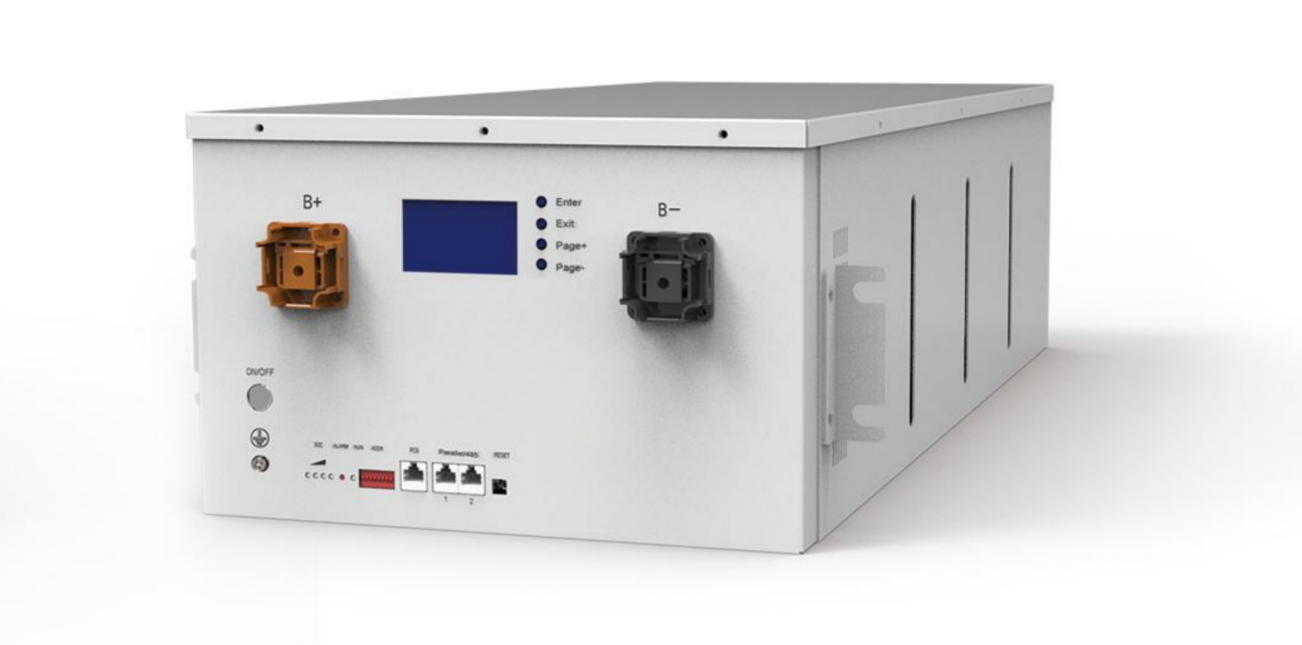
A buyer comparing 48V vs 51.2V lithium battery for solar storage is usually not choosing between two abstract voltage numbers. The real decision is whether the project needs a wall-mounted pack, a serviceable rack pack, an expandable stacked system, or a mobile battery that can be moved between sites. For AilumPower products, start with the 48V Wall Mounted Lithium Battery Pack when the room is compact, the 48V Rack Mounted Lithium Battery Pack when cabinet service is expected, and the 51.2V Rack Mounted Lithium Battery Pack when the installer wants a 16-cell route with clear usable energy steps.
The first item to confirm is the installation format. If the buyer only says “48V battery” or “51.2V battery”, the supplier still does not know the mounting space, cabinet depth, service access, communication expectation, or whether the order is for a fixed system or a movable backup unit.
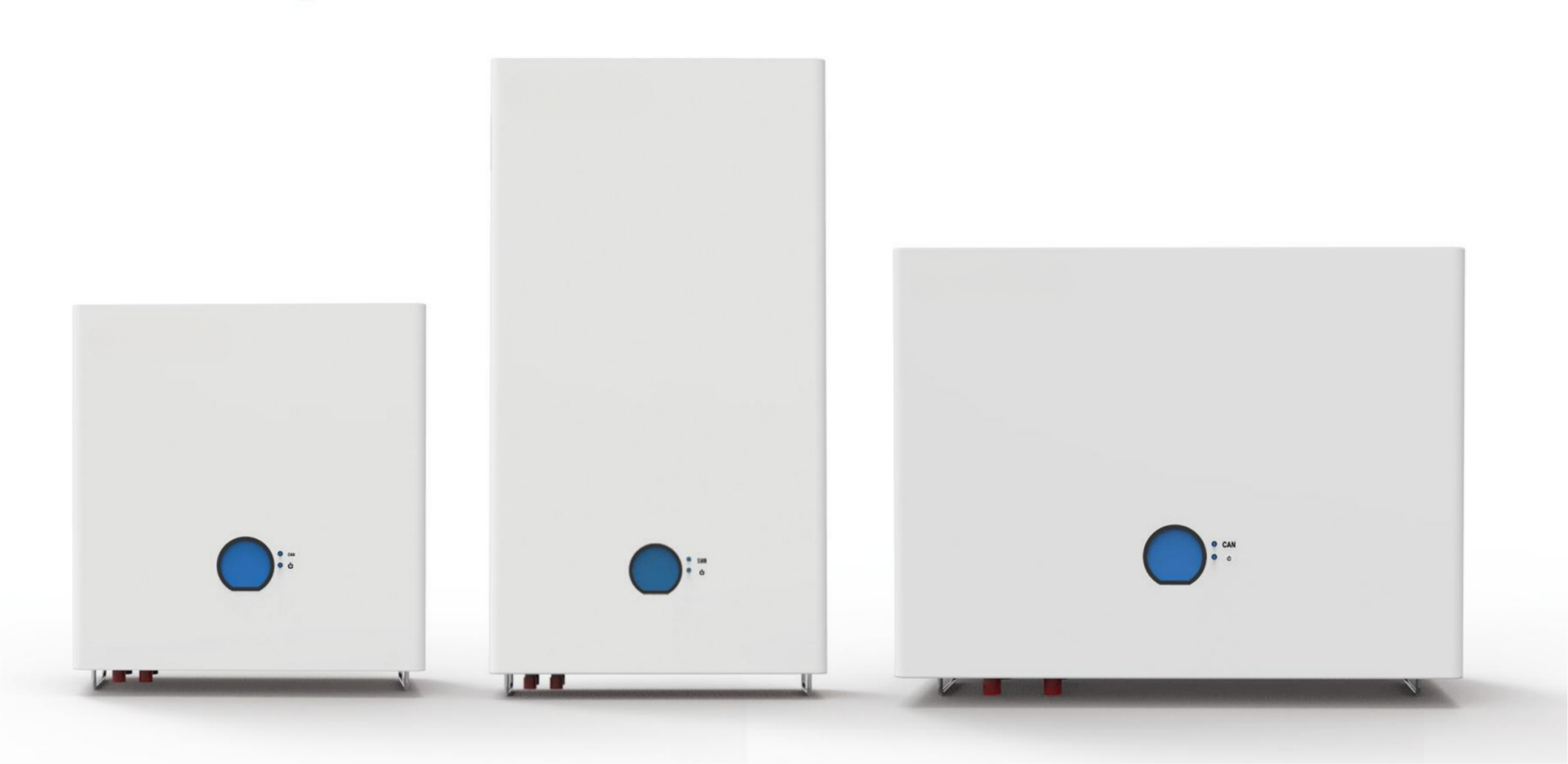
In a small residential solar backup room, the battery is often placed beside an inverter, near a wall, or in a utility corner where floor space is limited. That is where AilumPower’s 48V Wall Mounted Lithium Battery Pack becomes easier to discuss than a rack product. It includes 48V100AH, 48V200AH, 48V280AH, and 48V314AH options, with nominal energy from 4800Wh to 15072Wh and usable energy from 4320Wh to 13564.8Wh. The model references include HZW-100-15S, HZW-200-15S, HZW-280-15S, and HZW-314-15S.
In a cabinet room, the same buyer may need a very different format. The 48V Rack Mounted Lithium Battery Pack uses the same 48V100AH, 48V200AH, 48V280AH, and 48V314AH capacity ladder, but its HZR-100-15S, HZR-200-15S, HZR-280-15S, and HZR-314-15S pack references point to a rack service route. The rack format makes more sense when installers expect front access, repeated service, clearer module stacking, and cleaner cable routing inside a cabinet.
A homeowner or small installer may already have a wall location, short cable runs, and no space for a floor cabinet. In that case, changing to a rack pack only because it looks more professional can create unnecessary mounting and wiring work.
A solar storage installer that repeats cabinet builds may prefer rack products because the mounting, labeling, service path, and battery-room records stay consistent from one project to the next.
The 51.2V Rack Mounted Lithium Battery Pack is not just a slightly different label. It uses 51.2V100AH, 51.2V200AH, 51.2V280AH, and 51.2V314AH module options. The nominal energy range is 5120Wh to 16076.8Wh, while usable energy runs from 4608Wh to 14469.12Wh. The model references are HZR-100-16S, HZR-200-16S, HZR-280-16S, and HZR-314-16S. For a buyer comparing 48V and 51.2V, those values should be placed next to the inverter plan, cabinet plan, and expected service routine.
The 51.2V route is also useful when a distributor wants a clearer product distinction between older 48V language and a 16-cell lithium battery route. It should not be selected only because 51.2V sounds newer. If the project is already built around a 48V cabinet, the buyer should confirm compatibility and service expectations before changing the order.
| Buyer situation | AilumPower route to review | Why it fits | When it may not fit |
|---|---|---|---|
| Small home backup room | 48V Wall Mounted Lithium Battery Pack | Wall format saves floor space and suits compact inverter areas. | Not ideal when service crews require cabinet-mounted modules. |
| Cabinet installer using 48V architecture | 48V Rack Mounted Lithium Battery Pack | Rack format keeps service access and module organization cleaner. | Not ideal for wall-only rooms with no cabinet space. |
| Solar storage cabinet needing 51.2V modules | 51.2V Rack Mounted Lithium Battery Pack | Offers 5120Wh to 16076.8Wh nominal energy in a rack format. | Not ideal if the project was already specified around a different voltage route. |
| Expandable residential backup | Stacked Lithium Battery Pack | 51.2V100AH stacked modules give nominal energy steps from 10240Wh to 30720Wh. | Not ideal when a locked rack cabinet is required. |
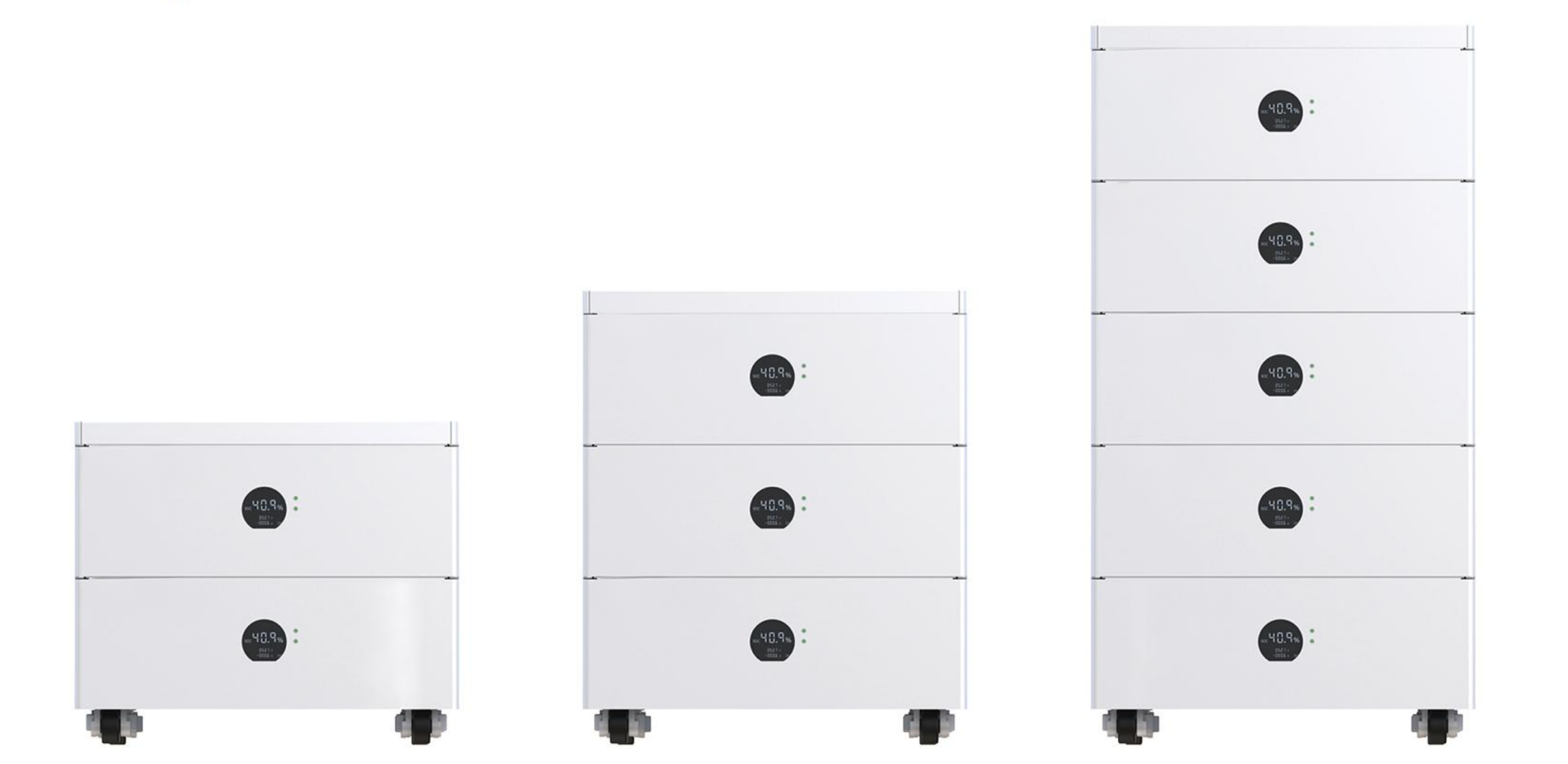
Some buyers ask about 48V vs 51.2V but actually need to decide between fixed, expandable, and movable storage. The Stacked Lithium Battery Pack uses 51.2V100AH stacked modules with nominal energy steps of 10240Wh, 15360Wh, 20480Wh, 25600Wh, and 30720Wh. Usable energy steps run from 9216Wh to 27648Wh. That makes it a better discussion for buyers who may add capacity later or who want a residential system that grows without turning into a cabinet-room project.
The 51.2V Mobile Lithium Battery Pack belongs to a different kind of conversation. It has 51.2V280AH and 51.2V314AH options, with nominal energy of 14336Wh and 16076.8Wh, and usable energy of 12902.4Wh and 14469.12Wh. The HZM-280-16S and HZM-314-16S references suit temporary power, movable site backup, or flexible deployment. It is not a substitute for a permanent rack system if the buyer needs locked cabinet wiring and fixed service documentation.
Before a buyer approves an order, the purchase file should hold more than a voltage line. It should include the product page link, model reference, nominal energy, usable energy, mounting format, communication option, and installation photo or drawing. For these AilumPower lithium packs, RS485, CAN, and Bluetooth optional communication appear in the product data, but the buyer still needs to confirm which route belongs in the actual project.
A distributor stocking both 48V and 51.2V packs should separate them by installation format, not only by voltage. A wall-mounted pack and rack-mounted pack may share capacity language, but the buyer’s service crew will not treat them the same way. A mobile pack should be stored and described as a movable backup product, not as a rack replacement. A stacked pack should be kept for expansion-oriented projects, not sold as if it were just another rack battery.
A distributor selling solar storage products should avoid a quote sheet that lists only voltage and capacity. The buyer may read 48V200AH and 51.2V200AH as if they are small variations of the same item, but the project team needs to see the format, model reference, nominal energy, usable energy, and installation route. For AilumPower, a quote line for HZW-200-15S should not look like a quote line for HZR-200-15S, because one is a wall-mounted route and the other is a rack-mounted route. A quote line for HZR-200-16S should also be separated from the 48V rack route because the 51.2V pack belongs to a different voltage discussion.
A practical distributor quote can group the products by buyer problem. Put 48V Wall Mounted Lithium Battery Pack under compact home solar backup. Put 48V Rack Mounted Lithium Battery Pack under cabinet installers using a 48V route. Put 51.2V Rack Mounted Lithium Battery Pack under scalable rack storage where the project calls for 51.2V modules. Put Stacked Lithium Battery Pack under expandable home or small-business backup. Put 51.2V Mobile Lithium Battery Pack under temporary site power or movable backup. That grouping helps the buyer understand why two products with similar capacity language may belong to different projects.
If one shipment contains wall-mounted, rack-mounted, stacked, and mobile batteries, the receiving team should not unload them as one generic lithium battery batch. The packing list should show the approved product names and model references. The warehouse should keep wall-mounted packs separate from rack-mounted packs, and should keep mobile packs away from fixed-installation stock. A visible label photo from each product group should be saved with the purchase record. This is a small step, but it helps when a service team later asks why a replacement battery does not match the installed cabinet or wall location.
The buyer should also ask for accessory checks that match the product route. Wall-mounted products require attention to mounting hardware and wall placement. Rack-mounted products require attention to cabinet rails, front access, and service labeling. Stacked products require attention to module order and later expansion records. Mobile products require attention to movement, storage position, and whether the unit is expected to serve temporary loads. These are not complicated checks, but they are specific enough to prevent a warehouse team from treating all lithium battery products as interchangeable boxes.
A replacement buyer should be careful when moving from an existing 48V route to a 51.2V route, or from a fixed rack route to a stacked or mobile route. The first question is whether the inverter, cabinet, cable layout, protection plan, and service records support the change. The second question is whether the buyer is solving a real problem, such as limited wall space, poor cabinet access, a need for capacity expansion, or temporary site power. If the answer is only that the new voltage sounds more current, the change may create avoidable approval work.
A contractor replacing old solar backup batteries may have only a site photo and a partial label. In that case, the buyer should identify the installed format before choosing any new AilumPower route. A wall-mounted replacement should keep wall clearance and mounting position in view. A rack replacement should keep cabinet depth and access in view. A stacked replacement should document expected expansion. A mobile replacement should show why the product must move after delivery. These practical questions turn the 48V vs 51.2V comparison into a real purchase decision instead of a vocabulary debate.
Price comparison is fair only after the buyer has matched product format and capacity range. Comparing a 48V wall pack with a 51.2V rack pack may be useful for a broad project review, but it is not a clean price comparison. A fair comparison should place similar installation routes beside each other, such as rack pack against rack pack, or expandable stacked storage against another expansion route. The buyer should also compare usable energy, communication options, and service access, because a lower unit price may not stay lower after cabinet changes, installation work, and later replacement effort are counted.
For repeat buyers, the old order should be checked before a new voltage route is proposed. If the earlier project used HZR rack packs successfully, the next order should explain why it is changing rather than hiding the change inside a revised quotation.
If the project already has a wall space, start with wall-mounted 48V storage. If the buyer is building repeatable cabinet systems, compare the 48V and 51.2V rack routes through model references, usable energy, communication needs, and service access. If the buyer expects capacity expansion, stacked storage may be more useful than a voltage debate. If the product must move between sites, the mobile 51.2V route belongs on the shortlist. The best purchase decision is the one where the voltage, format, and service plan all describe the same real installation.
