

Get quote
Get Free Consultation!
We are ready to answer right now! free consultation.
Email:ttxxkj888@gmail.com
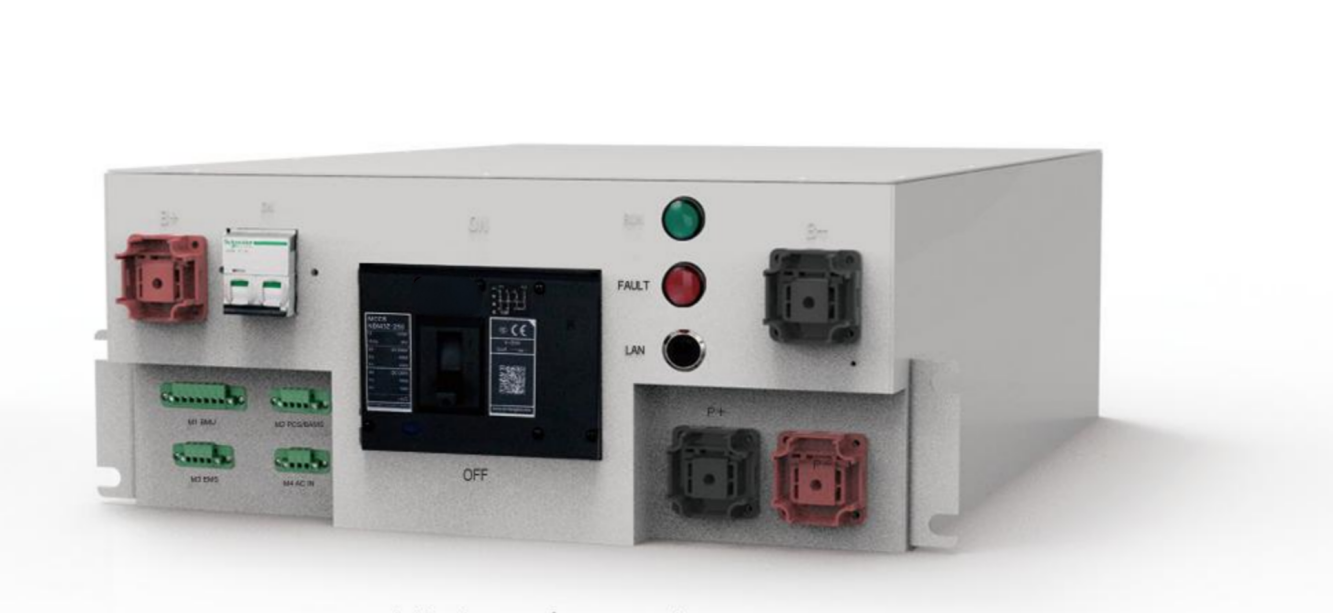
A battery cabinet engineering handoff should make the selected storage route clear enough for quotation, warehouse, installation, and commissioning teams to work from the same file. For battery cabinet engineering handoff, start by confirming the installation condition, approved product route, voltage or wattage, storage capacity, mounting method, and how the goods will be received on the project.
Begin with 25.6V/48V/51.2V High Voltage Rack-Mounted Lithium Battery Module, then compare 51.2V High Voltage Rack-Mounted Lithium Battery Module, Liquid Cooling High Voltage Rack-Mounted Lithium Battery Module, Commercial and Industrial ESS. The useful question is not which item sounds strongest, but which product can be installed, serviced, reordered, and documented without changing the project plan halfway through.
For a commercial ESS cabinet, the handoff should separate the Commercial and Industrial ESS cabinet from loose rack-mounted module planning. A 100kW cabinet route and a 51.2V rack module route solve different engineering problems.
For a larger storage build, the team may compare 51.2V high voltage rack-mounted modules with liquid cooling high voltage modules. The handoff should name the module route, voltage range, charge/discharge current, communication, and service notes.
A battery cabinet handoff is where sales language becomes installation work: module voltage, current, communication, cooling, and cabinet access must be clear enough for another team to follow. This is why the buyer should describe the job by site condition, product model, and maintenance route rather than by a broad product word.
25.6V/48V/51.2V High Voltage Rack-Mounted Lithium Battery Module fits commercial rack architecture that needs battery modules and a high-voltage box route. For this order, the buyer should keep these details visible: 48V100AH, 51.2V100AH, and 25.6V200AH module options; 4800Wh, 5120Wh, and 5120Wh nominal energy options; 4320Wh, 4608Wh, and 4608Wh usable energy options. It is not the right route for simple home backup where a low-voltage rack or wall pack is easier to commission. Confirm the model name and page link before the product is packed.
51.2V High Voltage Rack-Mounted Lithium Battery Module fits commercial ESS cabinets needing higher-capacity 51.2V module building blocks. For this order, the buyer should keep these details visible: 51.2V280AH and 51.2V314AH module options; 14336Wh and 16076.8Wh nominal energy; 12902.4Wh and 14469.12Wh usable energy. It is not the right route for projects where mobile power or compact wall mounting is the main requirement. Confirm the model name and page link before the product is packed.
Liquid Cooling High Voltage Rack-Mounted Lithium Battery Module fits larger commercial projects where thermal stability matters during repeated operation. For this order, the buyer should keep these details visible: 153.6V280AH and 166.4V314AH module options; 43008Wh and 52249.6Wh nominal energy; 38707.2Wh and 47024.64Wh usable energy. It is not the right route for small storage projects where ordinary rack modules reduce complexity and service cost. Confirm the model name and page link before the product is packed.
Commercial and Industrial ESS fits factories, weak-grid sites, solar storage projects, and commercial backup cabinets. For this order, the buyer should keep these details visible: model HZ1241100AO on-grid cabinet; 241kWh battery rated energy and 768V rated battery voltage; 696-852V battery voltage range and LFP battery type. It is not the right route for small residential installations where a wall, rack, or stacked low-voltage pack is simpler. Confirm the model name and page link before the product is packed.
51.2V Rack Mounted Lithium Battery Pack fits solar storage cabinets, equipment rooms, scalable residential systems, and light commercial backup. For this order, the buyer should keep these details visible: 51.2V100AH, 51.2V200AH, 51.2V280AH, and 51.2V314AH module options; nominal energy from 5120Wh to 16076.8Wh; usable energy from 4608Wh to 14469.12Wh. It is not the right route for buyers who need a single wall-mounted battery to save floor and rack space. Confirm the model name and page link before the product is packed.
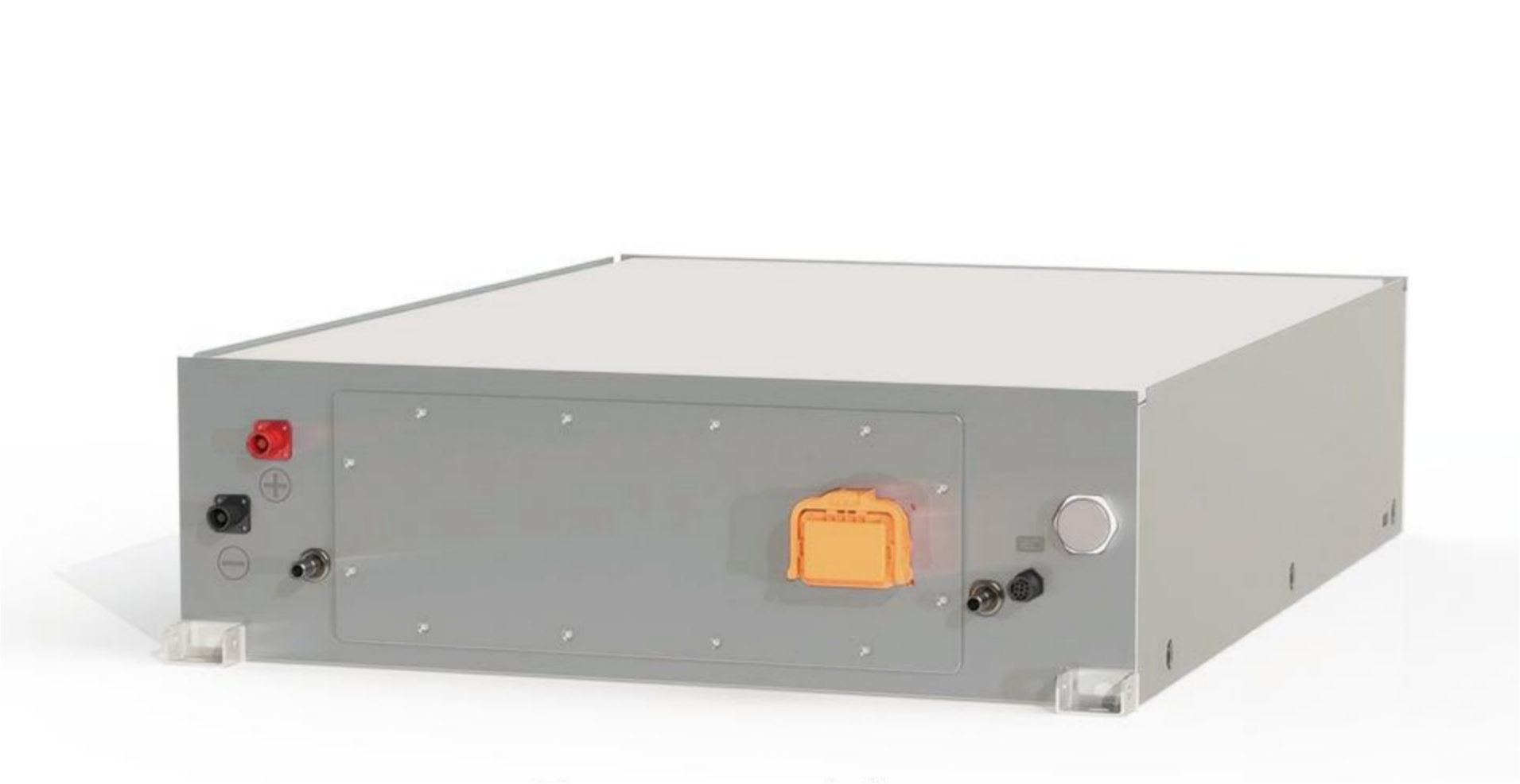
| Product route | Specification evidence | Good fit | Do not use when |
|---|---|---|---|
| 25.6V/48V/51.2V High Voltage Rack-Mounted Lithium Battery Module | 48V100AH, 51.2V100AH, and 25.6V200AH module options; 4800Wh, 5120Wh, and 5120Wh nominal energy options | commercial rack architecture that needs battery modules and a high-voltage box route | simple home backup where a low-voltage rack or wall pack is easier to commission |
| 51.2V High Voltage Rack-Mounted Lithium Battery Module | 51.2V280AH and 51.2V314AH module options; 14336Wh and 16076.8Wh nominal energy | commercial ESS cabinets needing higher-capacity 51.2V module building blocks | projects where mobile power or compact wall mounting is the main requirement |
| Liquid Cooling High Voltage Rack-Mounted Lithium Battery Module | 153.6V280AH and 166.4V314AH module options; 43008Wh and 52249.6Wh nominal energy | larger commercial projects where thermal stability matters during repeated operation | small storage projects where ordinary rack modules reduce complexity and service cost |
| Commercial and Industrial ESS | model HZ1241100AO on-grid cabinet; 241kWh battery rated energy and 768V rated battery voltage | factories, weak-grid sites, solar storage projects, and commercial backup cabinets | small residential installations where a wall, rack, or stacked low-voltage pack is simpler |
| 51.2V Rack Mounted Lithium Battery Pack | 51.2V100AH, 51.2V200AH, 51.2V280AH, and 51.2V314AH module options; nominal energy from 5120Wh to 16076.8Wh | solar storage cabinets, equipment rooms, scalable residential systems, and light commercial backup | buyers who need a single wall-mounted battery to save floor and rack space |
The receiving file should separate complete cabinet products from rack-mounted module products. Voltage range, nominal energy, usable energy, current, communication route, cooling route, model reference, and packaging marks should travel with each item.
Before battery cabinet engineering handoff is released to purchasing, the buyer should write down the product route that has been approved, the reason it fits the project, and the condition that would make the order change. This is especially important when the same order file includes batteries, lamp heads, hybrid poles, cabinet products, or rack modules. AilumPower products are easier to compare when the approval note explains the installation format instead of using one broad product name.
25.6V/48V/51.2V High Voltage Rack-Mounted Lithium Battery Module should stay in the order only when its real fit is present: commercial rack architecture that needs battery modules and a high-voltage box route. The buyer should keep the first three evidence points beside the approval note: 48V100AH, 51.2V100AH, and 25.6V200AH module options; 4800Wh, 5120Wh, and 5120Wh nominal energy options; 4320Wh, 4608Wh, and 4608Wh usable energy options. If the job condition moves toward simple home backup where a low-voltage rack or wall pack is easier to commission, the order should be reviewed before packing.
51.2V High Voltage Rack-Mounted Lithium Battery Module becomes the better discussion when the project condition matches commercial ESS cabinets needing higher-capacity 51.2V module building blocks. The buyer should not approve it only because it appears beside another product in the same quotation. The deciding details are model name, voltage or wattage route, usable energy or lighting duty, service access, and whether the installer can identify the product from the carton label.
51.2V Rack Mounted Lithium Battery Pack should be checked against its service limit before a repeat order is placed. If the project later needs another format, a different battery chemistry, a higher lighting output, a cabinet route, or a smart hybrid pole route, the buyer should update the specification instead of repeating the old item by habit.
The project file should keep one photo or page link for each product route in the order: 25.6V/48V/51.2V High Voltage Rack-Mounted Lithium Battery Module, 51.2V High Voltage Rack-Mounted Lithium Battery Module, Liquid Cooling High Voltage Rack-Mounted Lithium Battery Module, Commercial and Industrial ESS, 51.2V Rack Mounted Lithium Battery Pack. That file helps the buyer compare the approved product with the goods that arrive later. It also gives the warehouse team a simple way to separate batteries, lamp heads, hybrid poles, rack modules, or cabinet products before installation begins.
For image records, keep the product front view, side or label view, carton mark, and any visible accessory group. For model records, keep the product title, voltage or wattage route, capacity or energy value, and the page link used for approval. These records are useful when a repeat buyer asks for the same product months later but only sends a field photo.
Packing notes should identify which items can be stored together and which should be separated. A heavy gel battery shipment, a rack-mounted lithium module, an integrated lamp head carton, and a smart hybrid pole accessory package each create different warehouse and installation handling. Clear packing notes reduce the chance that the correct product reaches the wrong project zone. Keep this note with the purchase order.
For this buyer group, receiving inspection should be tied to the real product, not to a general warehouse routine. Check the carton mark, product photo, model name, voltage or wattage, accessory list, visible damage, and whether the handling team can separate each route without opening every package.
Delivery planning should also match the product. A heavy 12V gel battery, a rack-mounted lithium module, a commercial cabinet, and a smart hybrid street light do not create the same unloading, storage, or installation sequence. The order file should make those differences obvious before the goods arrive.
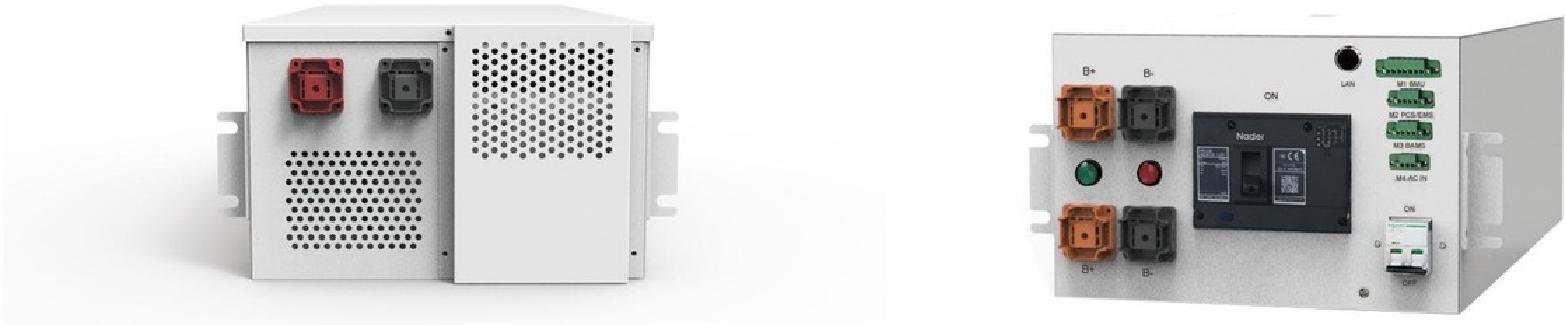
Important details such as voltage range, RS485/CAN communication, thermal route, charge and discharge current, and cabinet access should be in the formal handoff file. If they stay only in chat messages, the warehouse and installer may never see them.
A complete Commercial and Industrial ESS route is stronger when the buyer needs a defined cabinet system with rated energy, rated AC power, voltage range, and commissioning expectations. Loose module planning is better only when the integrator has a clear cabinet architecture already.
Use these AilumPower product pages to compare the actual image, model route, and specification details before a purchase file is approved.
For ESS projects, handoff quality is often the difference between a clean delivery and repeated technical clarification. Write the product route, battery data, communication method, cabinet role, and receiving checks clearly before the shipment leaves.
