

Get quote
Get Free Consultation!
We are ready to answer right now! free consultation.
Email:ttxxkj888@gmail.com
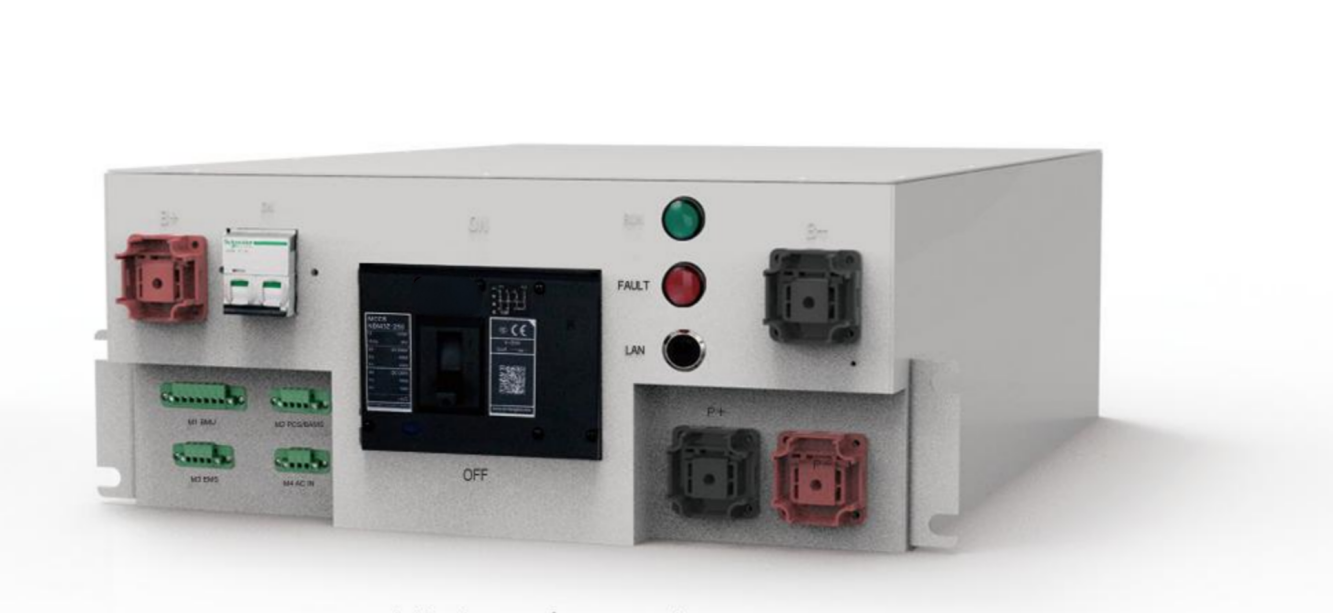
A liquid cooling high voltage battery module is suitable when the project needs the exact structure, voltage, capacity, and maintenance path behind the product name. Start with Liquid Cooling High Voltage Rack-Mounted Lithium Battery Module and compare it with Commercial and Industrial ESS, 51.2V High Voltage Rack-Mounted Lithium Battery Module, 25.6V/48V/51.2V High Voltage Rack-Mounted Lithium Battery Module. The most important first check is whether the model's real specifications match the load, installation space, and replacement plan.
Liquid Cooling High Voltage Rack-Mounted Lithium Battery Module fits larger commercial projects where thermal stability matters during repeated operation; avoid it for small storage projects where ordinary rack modules reduce complexity and service cost. Commercial and Industrial ESS fits factories, weak-grid sites, solar storage projects, and commercial backup cabinets; avoid it for small residential installations where a wall, rack, or stacked low-voltage pack is simpler. 51.2V High Voltage Rack-Mounted Lithium Battery Module fits commercial ESS cabinets needing higher-capacity 51.2V module building blocks; avoid it for projects where mobile power or compact wall mounting is the main requirement. 25.6V/48V/51.2V High Voltage Rack-Mounted Lithium Battery Module fits commercial rack architecture that needs battery modules and a high-voltage box route; avoid it for simple home backup where a low-voltage rack or wall pack is easier to commission. 51.2V Rack Mounted Lithium Battery Pack fits solar storage cabinets, equipment rooms, scalable residential systems, and light commercial backup; avoid it for buyers who need a single wall-mounted battery to save floor and rack space.
| Selection question | What to confirm | Why it matters |
|---|---|---|
| Voltage and capacity | Match rated voltage, usable energy, and expected autonomy. | It prevents under-sized storage and incompatible controllers. |
| Installation style | Choose wall, rack, stacked, mobile, cabinet, or lamp-head structure. | It decides service access, packing, and installation labor. |
| Communication and control | Check RS485/CAN/Bluetooth, MPPT controller, EMS, or lighting control needs. | It keeps the product useful inside the real system. |
| Outdoor conditions | Review IP rating, mounting height, solar input, turbine route, or temperature range. | Outdoor projects fail when sizing ignores weather and maintenance. |
| Packing and replacement | Confirm model marks, accessory lists, carton strength, and batch consistency. | Repeat orders are easier when field teams can identify units quickly. |
The verified details for Liquid Cooling High Voltage Rack-Mounted Lithium Battery Module are the anchor for this topic: 153.6V280AH and 166.4V314AH module options; 43008Wh and 52249.6Wh nominal energy; 38707.2Wh and 47024.64Wh usable energy; RS485/CAN communication and >=6000 cycle life at 25C; 136.8-170.4V charge/discharge voltage range. Those details help buyers compare the product as an engineered item rather than a loose catalog label. If the order includes alternatives, compare the first product against Commercial and Industrial ESS, 51.2V High Voltage Rack-Mounted Lithium Battery Module, 25.6V/48V/51.2V High Voltage Rack-Mounted Lithium Battery Module using the same voltage, capacity, communication, protection, and packing checkpoints.
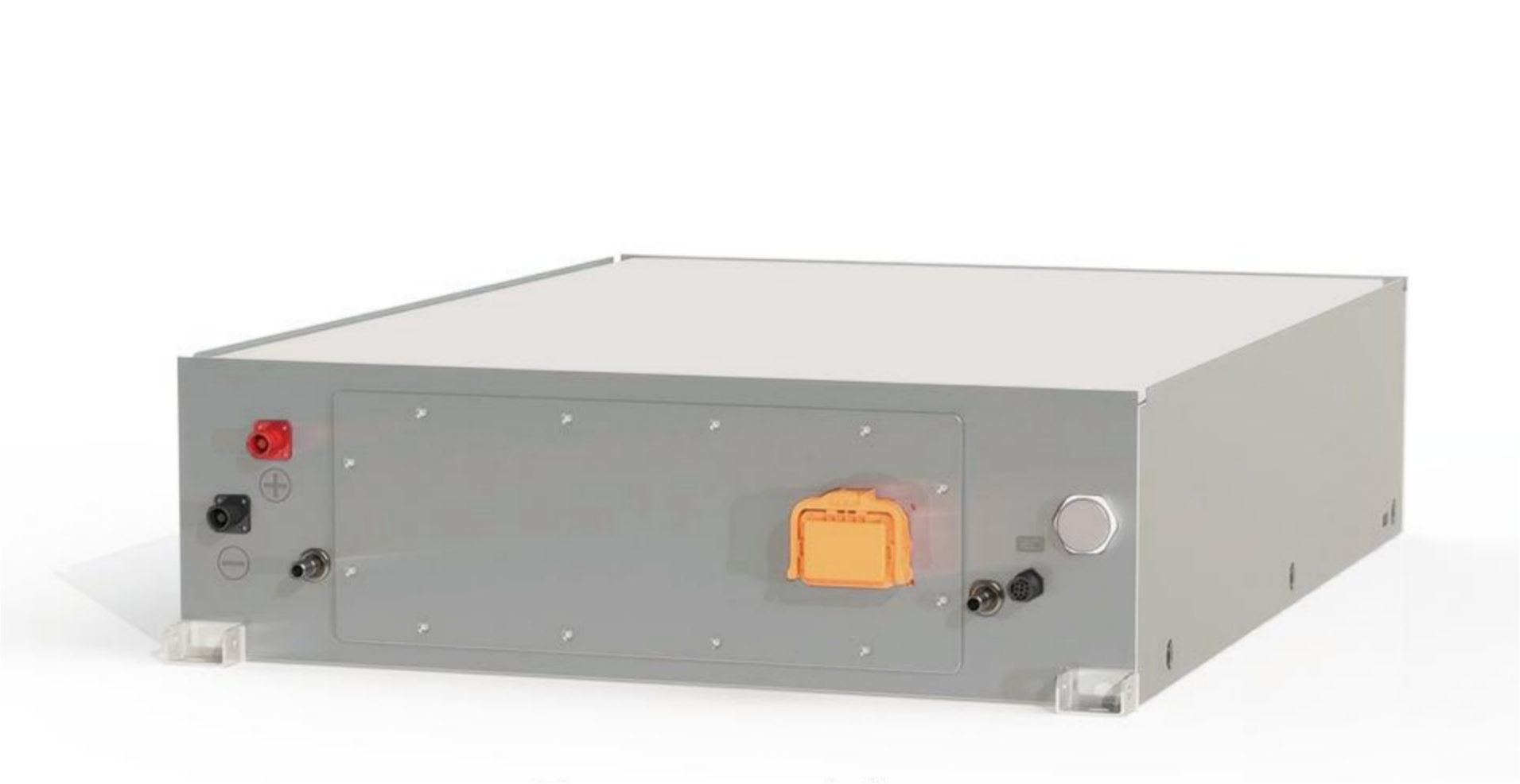
153.6V280AH and 166.4V314AH module options 43008Wh and 52249.6Wh nominal energy 38707.2Wh and 47024.64Wh usable energy RS485/CAN communication and >=6000 cycle life at 25C 136.8-170.4V charge/discharge voltage range
Commercial and Industrial ESS is useful when the project shifts toward factories, weak-grid sites, solar storage projects, and commercial backup cabinets. It is not a direct substitute when the buyer actually needs Liquid Cooling High Voltage Rack-Mounted Lithium Battery Module for larger commercial projects where thermal stability matters during repeated operation. Compare the product page, image, voltage or wattage, storage route, and service access before asking for a final offer.
Residential buyers usually care about clean installation, service space, and repeatable battery replacement. Commercial buyers care about cabinet layout, communication, heat behavior, and document control. Street lighting buyers care about mounting height, light output, autonomy, weather exposure, and whether the lamp head or hybrid street light can be maintained by the local team.
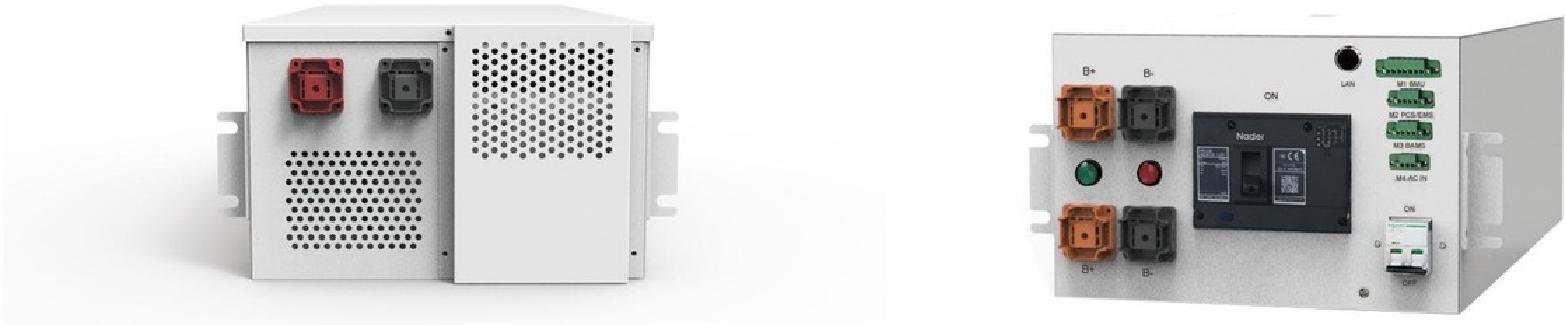
For lithium storage and ESS orders, quality control should confirm module model, rated voltage, nominal energy, usable energy, communication route, charge and discharge current, cabinet layout, warning labels, and packing. A project buyer should keep the same product name and pack reference across purchase order, invoice, packing list, and installation notes.
Packing should be planned around weight, shape, and field handling. Liquid Cooling High Voltage Rack-Mounted Lithium Battery Module, Commercial and Industrial ESS, 51.2V High Voltage Rack-Mounted Lithium Battery Module, 25.6V/48V/51.2V High Voltage Rack-Mounted Lithium Battery Module should not be packed as anonymous electrical parts. Use clear model labels, keep image references aligned with product names, protect lenses, terminals, housings, cabinets, and solar or wind components, and separate accessories so the installation crew can match each unit to the right site.
Choose it when the product structure matches the site, the installation crew can handle it, and the specification remains stable across purchase, delivery, and replacement. AilumPower product pages give buyers the product names, images, and model references needed to keep that route clear.
Do not choose it only because the name sounds close to the project. A wall battery, rack module, gel battery, lamp head, and hybrid street light solve different problems. If mounting, voltage, capacity, controller, or service access does not match, use another AilumPower page as the starting point.
Price comparison should separate the product body from the risk factors around it. Voltage, usable energy, battery chemistry, solar panel size, controller route, IP rating, communication, packing strength, and batch consistency all affect the real cost of a project. A lower unit price can become expensive if the product cannot be installed cleanly or replaced with the same model later.
Use these published pages to compare product images, specifications, categories, and related options before narrowing the purchase route.
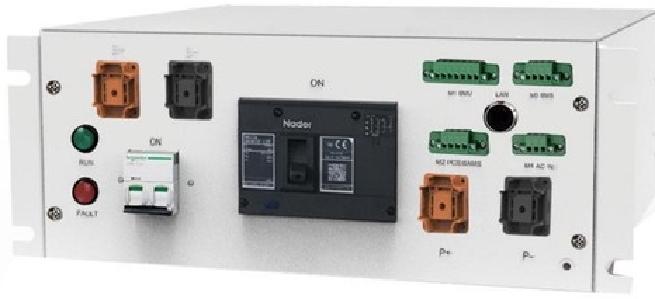
The practical buying step is to request the product page references first, then confirm the model list and packing details around those references. When the supplier, buyer, and installer all use the same product names, the order has fewer surprises.
When the goods arrive, receiving teams should compare the shipping label, product name, and image reference before moving the products into storage. Battery products should be checked for visible case damage, terminal condition, carton compression, model marking, and accessory packaging. Solar lamp heads and hybrid street lights should be checked for housing, lens, panel, wind-turbine, controller, mounting hardware, and accessory condition. This step is simple, but it prevents wrong products from reaching the installation site and gives the buyer evidence if a shipment needs correction before installation starts.
A practical purchase file should keep quotation, product page URL, model name, specification table, packing note, and inspection checklist together. This matters most when several AilumPower products are bought in one batch. The buyer may combine lithium storage, gel batteries, lamp heads, and hybrid street lights, so a clear document file keeps the warehouse and field teams aligned. For repeat orders, that same file becomes the baseline for confirming whether the new shipment matches the original approved route.
Replacement planning should begin before the first order is shipped. Record the installed model, rated voltage, capacity, physical size, communication route, mounting style, and packing image. When the site needs service later, the buyer can reorder the same route or choose a close AilumPower alternative without guessing from old photos or incomplete field notes. This is especially useful for distributors and EPC teams that manage several customer sites with similar-looking products but different electrical requirements.
The installer should receive a short handover note that explains which product goes to which site, what the rated voltage or lamp power is, which controller or communication route is expected, and what should be photographed after installation. A handover note does not replace a manual, but it reduces confusion when warehouse staff, purchasing staff, and field installers are not the same people. It also helps the buyer keep a clean record for later maintenance.
When the goods arrive, receiving teams should compare the shipping label, product name, and image reference before moving the products into storage. Battery products should be checked for visible case damage, terminal condition, carton compression, model marking, and accessory packaging. Solar lamp heads and hybrid street lights should be checked for housing, lens, panel, wind-turbine, controller, mounting hardware, and accessory condition. This step is simple, but it prevents wrong products from reaching the installation site and gives the buyer evidence if a shipment needs correction before installation starts.
A practical purchase file should keep quotation, product page URL, model name, specification table, packing note, and inspection checklist together. This matters most when several AilumPower products are bought in one batch. The buyer may combine lithium storage, gel batteries, lamp heads, and hybrid street lights, so a clear document file keeps the warehouse and field teams aligned. For repeat orders, that same file becomes the baseline for confirming whether the new shipment matches the original approved route.
Replacement planning should begin before the first order is shipped. Record the installed model, rated voltage, capacity, physical size, communication route, mounting style, and packing image. When the site needs service later, the buyer can reorder the same route or choose a close AilumPower alternative without guessing from old photos or incomplete field notes. This is especially useful for distributors and EPC teams that manage several customer sites with similar-looking products but different electrical requirements.
The installer should receive a short handover note that explains which product goes to which site, what the rated voltage or lamp power is, which controller or communication route is expected, and what should be photographed after installation. A handover note does not replace a manual, but it reduces confusion when warehouse staff, purchasing staff, and field installers are not the same people. It also helps the buyer keep a clean record for later maintenance.
