

Get quote
Get Free Consultation!
We are ready to answer right now! free consultation.
Email:ttxxkj888@gmail.com
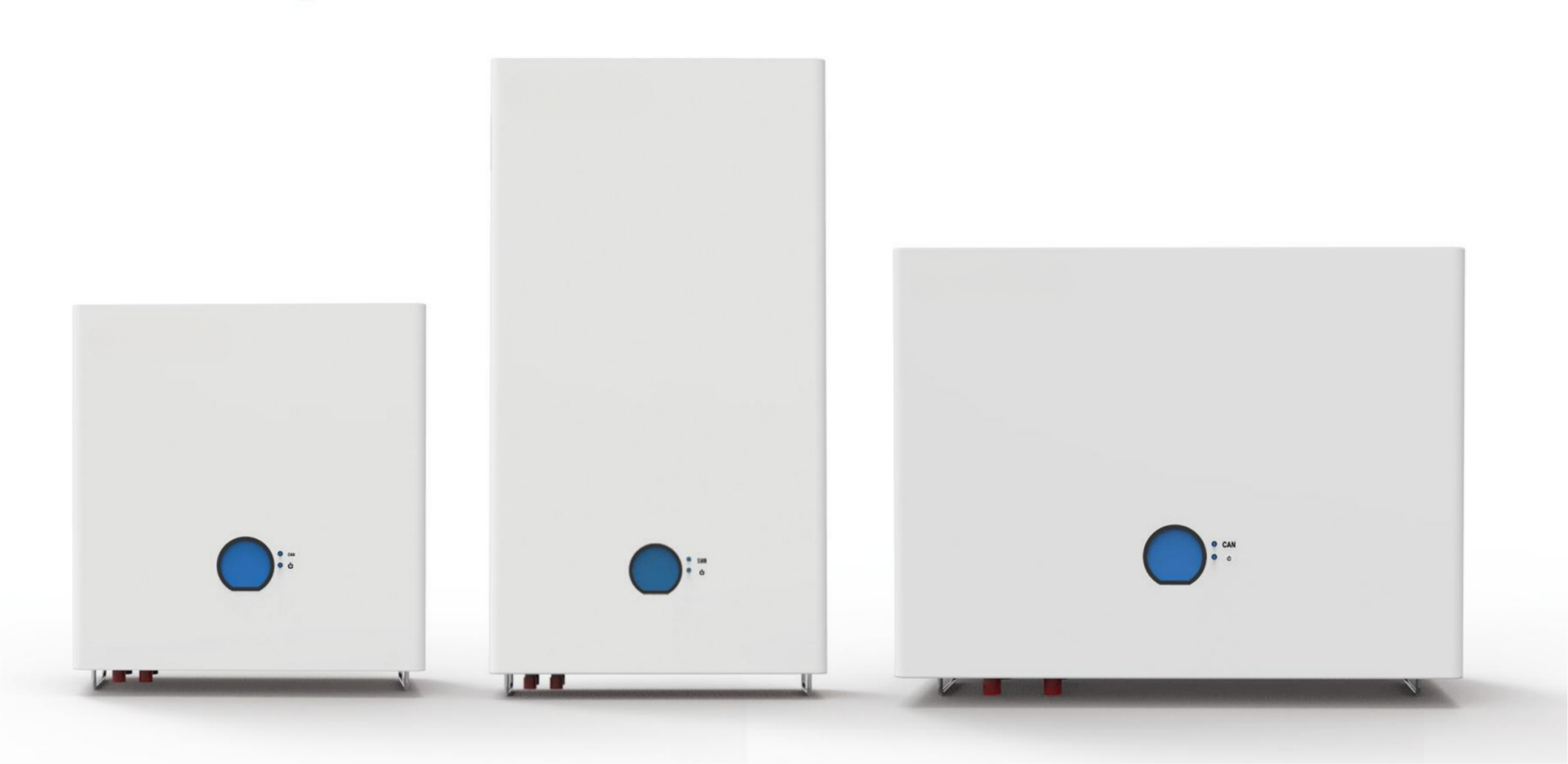
If you are buying a wall mounted lithium battery for a real project, start with load profile, installation space, voltage route, and service expectations before comparing prices. AilumPower's practical starting points are 48V Wall Mounted Lithium Battery Pack, 48V Rack Mounted Lithium Battery Pack, 51.2V Mobile Lithium Battery Pack, 51.2V Rack Mounted Lithium Battery Pack. These products cover home solar backup, cabinet-style storage, solar street lighting batteries, integrated lamp heads, and hybrid renewable street lighting. The real buying question is battery voltage, installation format, usable capacity, solar charging compatibility, protection design, and whether the product can be supplied consistently for repeat projects.
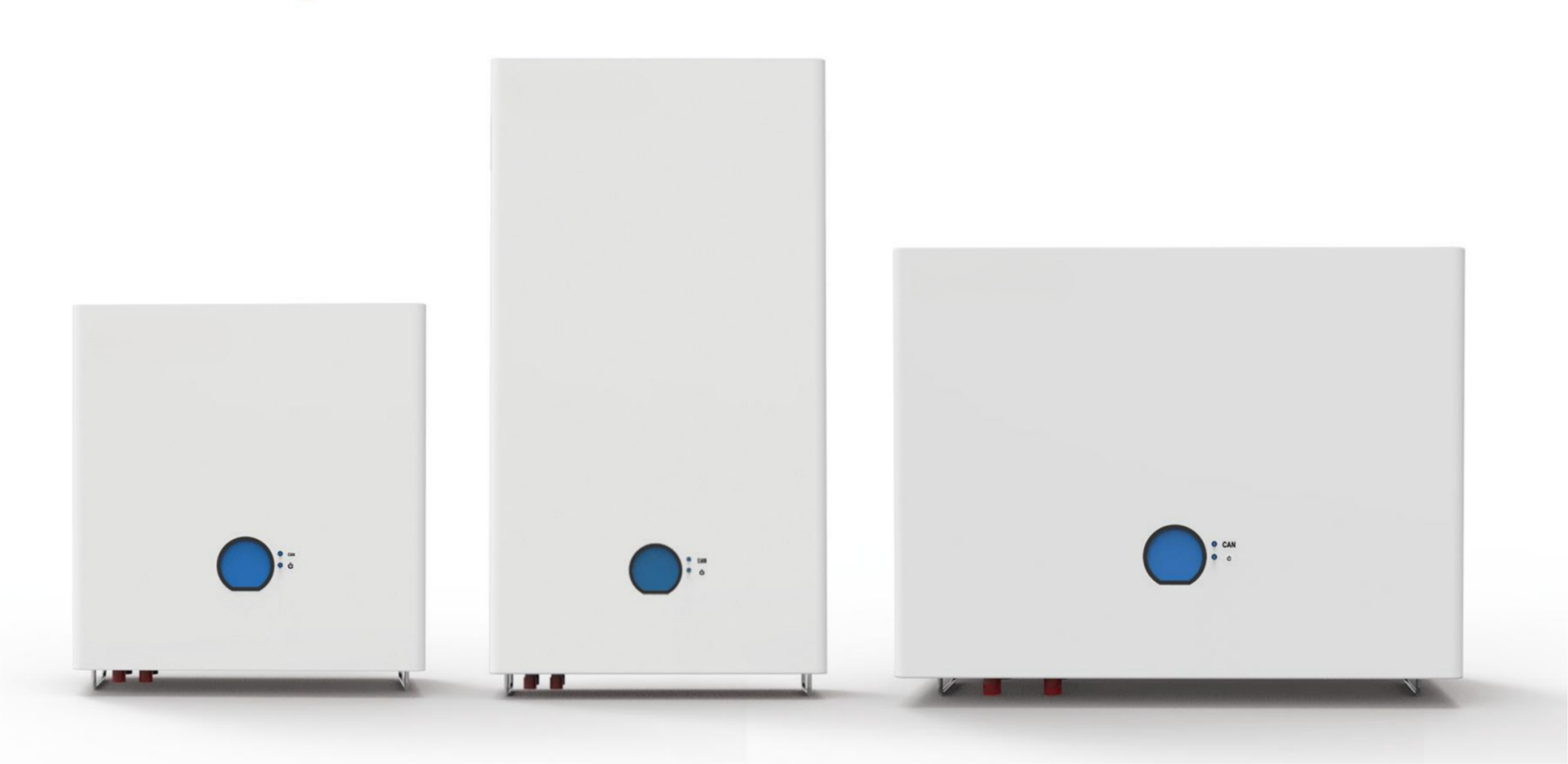
A buyer should not treat wall mounted lithium battery selection as a catalog exercise. The same project may need wall-mounted storage for a villa, rack-mounted battery packs for an equipment room, high-voltage modules for a commercial ESS cabinet, or gel batteries for lighting and standby loads. AilumPower's product line gives several routes: 48V Wall Mounted Lithium Battery Pack, 48V Rack Mounted Lithium Battery Pack, 51.2V Mobile Lithium Battery Pack, 51.2V Rack Mounted Lithium Battery Pack, Stacked Lithium Battery Pack, Commercial and Industrial ESS. The useful first filter is not only capacity; it is whether the system needs fixed indoor mounting, rack expansion, mobile backup, outdoor lighting autonomy, or higher-voltage commercial architecture.
For smaller solar backup, the 48V Wall Mounted Lithium Battery Pack saves floor space and suits homes, villas, and compact utility areas. The 48V Rack Mounted Lithium Battery Pack and 51.2V Rack Mounted Lithium Battery Pack are better when an installer wants battery modules organized in a cabinet with service access. The 51.2V Mobile Lithium Battery Pack suits flexible backup and temporary site power, while the Stacked Lithium Battery Pack is useful when a buyer expects capacity to grow later. Commercial projects can move toward Commercial and Industrial ESS, high voltage rack-mounted modules, or liquid cooling high voltage modules.
| Product route | Best fit | Check before buying |
|---|---|---|
| 48V Wall Mounted Lithium Battery Pack | Compact home solar backup, villas, small utility rooms, and wall space installations. | Do not select only by nominal voltage; confirm capacity, protection, cabinet space, and service access. |
| 48V Rack Mounted Lithium Battery Pack | Cabinet installations, residential racks, equipment rooms, and modular replacement. | Do not select only by nominal voltage; confirm capacity, protection, cabinet space, and service access. |
| 51.2V Mobile Lithium Battery Pack | Flexible backup, temporary site power, and projects needing movable storage. | Avoid it when the design calls for fixed cabinet wiring and locked indoor installation. |
| 51.2V Rack Mounted Lithium Battery Pack | Cabinet installations, residential racks, equipment rooms, and modular replacement. | Do not select only by nominal voltage; confirm capacity, protection, cabinet space, and service access. |
| Stacked Lithium Battery Pack | Expandable residential and light commercial systems where capacity may grow later. | Do not select only by nominal voltage; confirm capacity, protection, cabinet space, and service access. |
| Commercial and Industrial ESS | Higher capacity sites, weak grid support, solar storage, and backup cabinets. | Do not select only by nominal voltage; confirm capacity, protection, cabinet space, and service access. |
Useful model examples from the current range include 48V Wall Mounted Lithium Battery Pack, 48V Rack Mounted Lithium Battery Pack, 51.2V Mobile Lithium Battery Pack, 51.2V Rack Mounted Lithium Battery Pack, and Stacked Lithium Battery Pack. These names matter because buyers often receive offers that look similar but solve different problems. A 12V100AH Gel Battery is not a substitute for a 51.2V rack battery module, and an AP-ISLH-CV integrated lamp head is not the same purchase as a cabinet energy storage system. The right comparison keeps chemistry, voltage, enclosure, control, runtime, and mounting method in the same line.
For residential work, stable installation and clean wiring usually matter more than the largest possible cabinet. For factories, weak-grid sites, farms, telecom shelters, and commercial buildings, buyers should check battery communication, protection design, thermal behavior, and how the pack or module will be serviced after installation. For lighting projects, the product route may include AP-ISLH-CL or AP-ISLH-CV lamp heads, AP-MSCILH-PS mains-solar hybrid lamp heads, or wind-solar hybrid smart street lights. Those choices should be based on mounting height, nightly runtime, local weather, and control mode.
Before confirming a wall mounted lithium battery order, ask for product identification that matches the model, rated voltage, capacity, and application. For lithium storage, check protection design, connection method, cabinet space, shipping marks, and whether each unit can be traced to the production batch. For gel batteries, verify capacity marking, terminal format, case condition, and packing strength. For lamp heads and hybrid street lights, check LED power, solar panel route, battery route, controller mode, mounting pipe diameter, and waterproof construction.
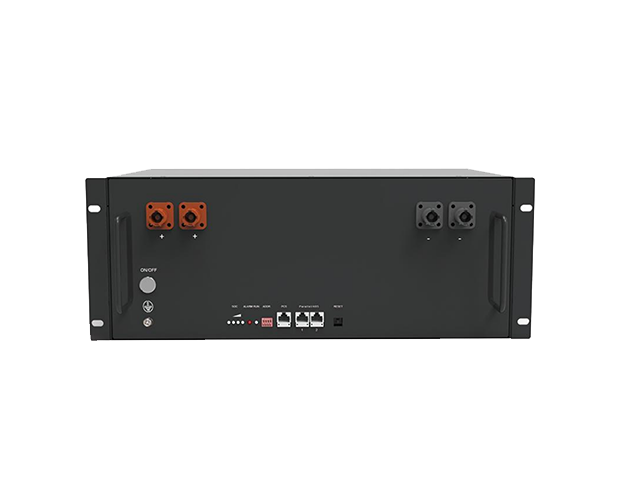
Industrial buyers should treat packing as part of the product. Battery packs need stable inner protection, clear carton or crate marks, and handling instructions that match weight and transport requirements. Rack modules and high-voltage products need stronger pallet planning because cabinet installers usually receive several units at once. Gel batteries require tight carton quality and stable stacking. Solar lamp heads and wind-solar street lights need protection for lenses, housings, solar panels, and wind or pole-related parts. AilumPower's product range is suitable for distributors and project contractors who need repeatable product naming and supply planning.
The highest capacity product is not always the best purchase. A compact home system may be better with a wall-mounted or stacked battery that is easier to install. A commercial cabinet may need high-voltage modules rather than many low-voltage packs. A street lighting buyer may get more reliable night performance by matching lamp head wattage, battery capacity, and controller logic instead of only increasing battery size. The more stable purchase is usually the model that matches real load, service access, and replacement planning.
Confirm voltage, capacity, installation style, operating environment, expected autonomy, matching inverter or controller, available installation space, communication needs, packaging method, and spare-unit planning. If the order covers several sites, keep one reference specification for each site type: residential wall-mounted, rack-mounted cabinet, commercial ESS, gel battery backup, integrated solar lamp head, and wind-solar hybrid smart street light. That keeps purchasing, installation, and later replacement aligned.
For replacement work, buyers should record the old voltage, cabinet opening, cable direction, mounting method, and expected runtime before choosing a new product. A rack mounted lithium battery may replace an older cabinet module more cleanly than a wall pack. A gel battery replacement should keep capacity, terminal type, and size range consistent. A lamp head replacement should check pole height, arm angle, pipe diameter, battery autonomy, and solar panel input.
Choose this route when the project matches the product format, the installation team can service it, and the voltage and capacity line up with the load. For AilumPower buyers, that may mean a 48V wall pack, a 51.2V rack pack, a high-voltage module, a gel battery range, or an integrated lamp head depending on the site.
Avoid forcing one product into every project. Gel batteries, lithium rack modules, stacked packs, mobile packs, lamp heads, and wind-solar hybrid lights each solve different problems. A good purchase keeps the model matched to mounting style, weather exposure, runtime, wiring, and service access.
The following product pages are useful starting points for comparing dimensions, images, tables, and product descriptions before confirming a purchasing route.
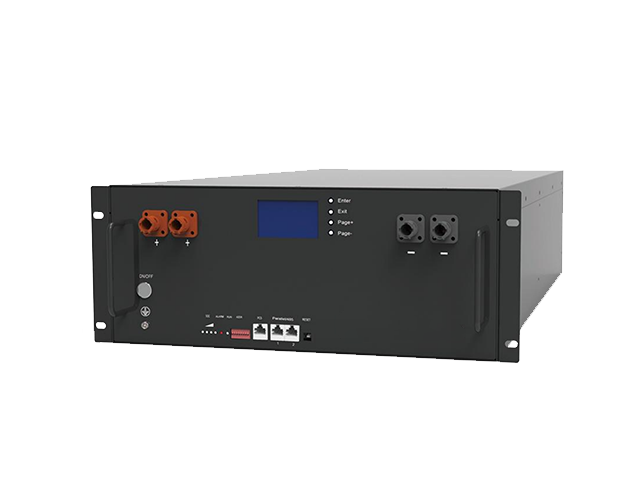
Which storage format should be checked first? For compact homes, start with wall-mounted or stacked lithium packs. For cabinet projects, start with rack-mounted or high-voltage rack-mounted lithium modules.
When does liquid cooling make sense? Liquid cooling is most useful when the commercial project has higher capacity and heat management matters more than the simplicity of a small battery pack.
For repeat orders, packing should be checked with the same care as the battery or lighting specification. A mixed shipment may include rack mounted lithium batteries, gel batteries, integrated solar lamp heads, and hybrid street lights. The buyer should confirm carton marks, model names, accessory lists, pallet stability, and whether the receiving team can identify each product without opening every package. This reduces mistakes when goods move from warehouse to installer.
Project buyers usually need more than one product size. A residential installer may keep 48V wall-mounted packs for compact jobs and 51.2V rack-mounted packs for cabinet jobs. A lighting contractor may stock AP-ISLH-CV lamp heads and several 12V gel battery capacities. A commercial integrator may plan high-voltage modules for larger cabinets and liquid cooling products for sites where heat management is a concern.
The strongest purchase file normally includes model name, rated voltage, capacity, product image, application note, packaging method, and inspection requirement. AilumPower’s product pages help buyers keep those details aligned because the range is divided by residential energy storage, commercial energy storage, gel battery products, integrated solar lamp heads, and wind-solar hybrid smart street lights. That structure makes it easier to compare alternatives without mixing incompatible products.
For repeat orders, packing should be checked with the same care as the battery or lighting specification. A mixed shipment may include rack mounted lithium batteries, gel batteries, integrated solar lamp heads, and hybrid street lights. The buyer should confirm carton marks, model names, accessory lists, pallet stability, and whether the receiving team can identify each product without opening every package. This reduces mistakes when goods move from warehouse to installer.
Project buyers usually need more than one product size. A residential installer may keep 48V wall-mounted packs for compact jobs and 51.2V rack-mounted packs for cabinet jobs. A lighting contractor may stock AP-ISLH-CV lamp heads and several 12V gel battery capacities. A commercial integrator may plan high-voltage modules for larger cabinets and liquid cooling products for sites where heat management is a concern.
The strongest purchase file normally includes model name, rated voltage, capacity, product image, application note, packaging method, and inspection requirement. AilumPower’s product pages help buyers keep those details aligned because the range is divided by residential energy storage, commercial energy storage, gel battery products, integrated solar lamp heads, and wind-solar hybrid smart street lights. That structure makes it easier to compare alternatives without mixing incompatible products.
The lowest unit price is useful only when the product still fits the project. For many AilumPower orders, the better saving comes from choosing the correct voltage family, battery format, lamp head structure, and packing method before the shipment is arranged. A buyer who keeps one clear specification for each site type can avoid mixed replacement parts later and can reorder the same product route with fewer delays.
