

Get quote
Get Free Consultation!
We are ready to answer right now! free consultation.
Email:ttxxkj888@gmail.com
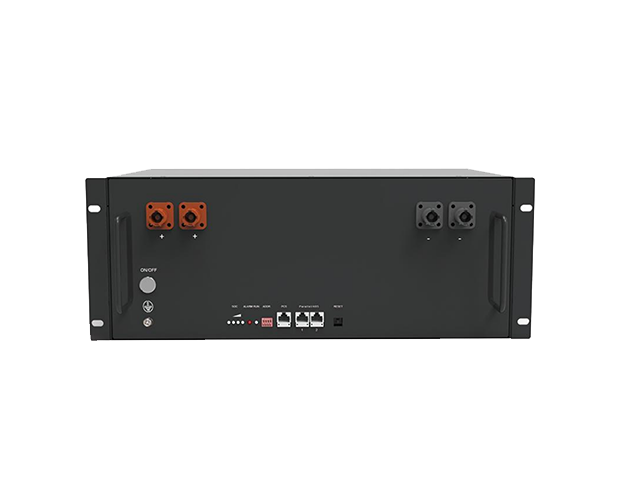
A buyer looking for a rack mounted lithium battery supplier should first decide whether the project needs a standard 48V rack pack, a 51.2V rack pack, or a high-voltage rack-mounted module for commercial ESS integration. AilumPower supplies 48V Rack Mounted Lithium Battery Packs, 51.2V Rack Mounted Lithium Battery Packs, 25.6V/48V/51.2V high-voltage rack modules, 51.2V high-voltage modules, and liquid cooling high-voltage modules. These products should not be mixed into one generic rack battery line.
The first item to confirm is cabinet responsibility. If the installer owns the low-voltage cabinet layout, a 48V or 51.2V rack pack may be the right route. If the project is part of a high-voltage commercial ESS, the module conversation changes and must include BMS/EMS coordination, module communication, and cabinet integration.
A rack product is usually selected because the buyer expects organized cabinet mounting, front service access, easier labeling, and repeatable replacement. AilumPower’s 48V Rack Mounted Lithium Battery Pack includes 48V100Ah, 48V200Ah, 48V280Ah, and 48V314Ah options. The product data lists nominal energy from 4800Wh to 15072Wh and usable energy from 4320Wh to 13564.8Wh. Model references include HZR-100-15S, HZR-200-15S, HZR-280-15S, and HZR-314-15S.
This route suits cabinet installers who already know the inverter side, cabinet depth, cable routing, and service process. It is not ideal when the project has only a wall location, because wall-mounted products answer a different installation problem.
The 51.2V Rack Mounted Lithium Battery Pack uses 51.2V100Ah, 51.2V200Ah, 51.2V280Ah, and 51.2V314Ah options. Nominal energy runs from 5120Wh to 16076.8Wh, and usable energy runs from 4608Wh to 14469.12Wh. The model references are HZR-100-16S, HZR-200-16S, HZR-280-16S, and HZR-314-16S. A distributor should not list these as a small variation of the 48V rack product, because later replacement and inverter review can depend on the voltage route.
Usable energy should be visible in the quotation because it is closer to the energy that buyers plan around. For the 48V rack route, usable energy starts at 4320Wh for 48V100Ah and reaches 13564.8Wh for 48V314Ah. For the 51.2V rack route, usable energy starts at 4608Wh and reaches 14469.12Wh. The published data also names RS485/CAN/Bluetooth optional communication. This communication line should be confirmed for the actual project, not assumed after shipment.
A contractor building repeated solar storage cabinets may have one inverter brand, one cabinet layout, and one service team. That buyer benefits from a consistent rack pack route. A distributor serving many installers may need both 48V and 51.2V products, but the stock labels should show voltage, model reference, usable energy, and communication option clearly.
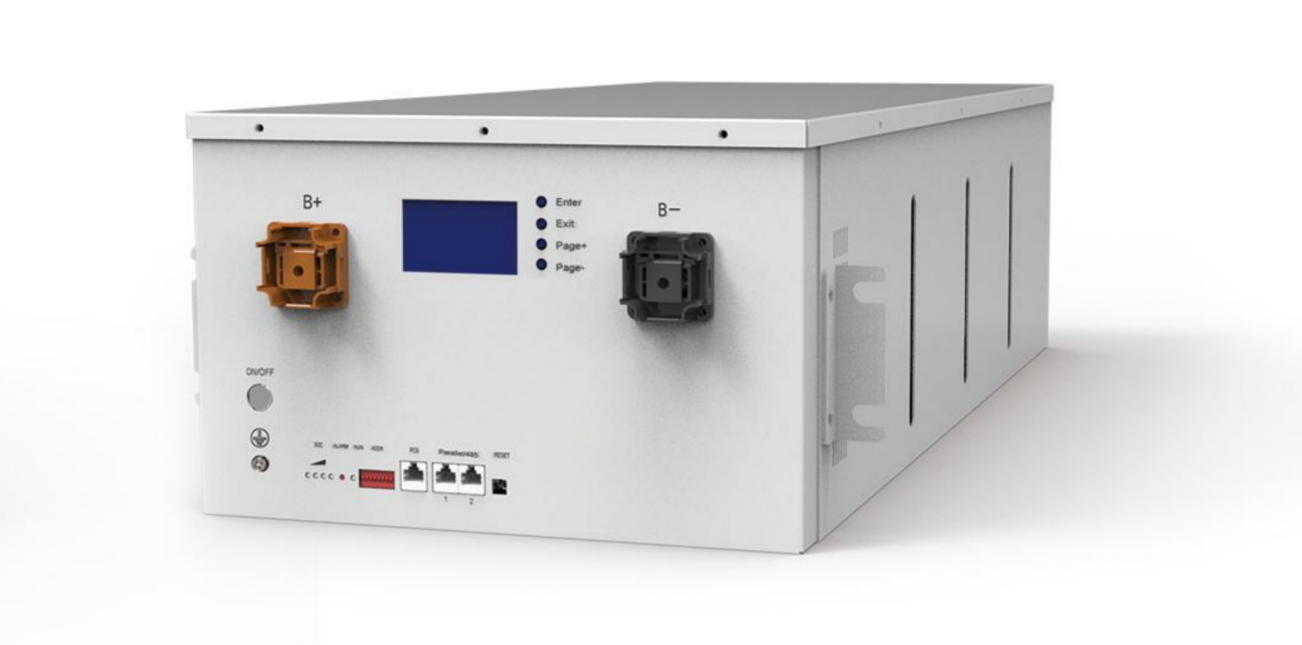
The 25.6V/48V/51.2V High Voltage Rack-Mounted Lithium Battery Module page is not the same as a low-voltage rack pack page. It lists 48V100Ah, 51.2V100Ah, and 25.6V200Ah module options, with nominal energy of 4800Wh, 5120Wh, and 5120Wh, and usable energy of 4320Wh, 4608Wh, and 4608Wh. Communication is listed as RS485/CAN. These modules belong in a commercial storage integration conversation where another party owns the full cabinet and system design.
The 51.2V High Voltage Rack-Mounted Lithium Battery Module moves into larger module choices: 51.2V280Ah and 51.2V314Ah, with nominal energy of 14336Wh and 16076.8Wh and usable energy of 12902.4Wh and 14469.12Wh. A buyer should treat this as a high-voltage module route, not simply as a bigger version of a residential rack battery.
Communication details matter because the cabinet owner, installer, and service team need to know how the battery talks to the wider system. Low-voltage rack packs mention RS485/CAN/Bluetooth optional communication. High-voltage modules mention RS485/CAN. A purchase file that hides these details can create commissioning delays when the installer expects one communication route and receives another.
AilumPower’s Liquid Cooling High Voltage Rack-Mounted Lithium Battery Module lists 153.6V280Ah and 166.4V314Ah options, with nominal energy of 43008Wh and 52249.6Wh. Usable energy is listed as 38707.2Wh and 47024.64Wh. The product also lists RS485/CAN communication, at least 6000 cycles at 25C, and a 136.8-170.4V charge/discharge voltage range. This is a serious commercial module route, not a product to substitute casually into a small rack battery order.
Liquid cooling should be discussed when cabinet density, thermal stability, operating profile, or project environment supports it. If the buyer simply needs a standard cabinet rack product for solar backup, the 48V or 51.2V rack pack route may keep the project easier to install and service.

| Route | Product evidence | Best buyer fit | When to avoid it |
|---|---|---|---|
| 48V Rack Mounted Lithium Battery Pack | HZR-100-15S to HZR-314-15S, 4800Wh to 15072Wh nominal energy | 48V cabinet installers and repeat storage builds | When the project needs a 51.2V or high-voltage module route |
| 51.2V Rack Mounted Lithium Battery Pack | HZR-100-16S to HZR-314-16S, 5120Wh to 16076.8Wh nominal energy | Cabinet storage systems using a 51.2V lithium route | When wall mounting or mobile use is the real requirement |
| 25.6V/48V/51.2V High Voltage Module | 100Ah and 200Ah module choices, RS485/CAN | Commercial integration projects with cabinet owner defined | When the buyer expects a plug-in low-voltage rack pack |
| Liquid Cooling High Voltage Module | 153.6V280Ah and 166.4V314Ah, liquid cooling route | Higher-density commercial ESS module supply | When simple rack storage reduces project complexity |
A distributor stocking rack batteries should separate products by voltage route, product family, model reference, usable energy, and communication option. A box labeled only “rack battery” is not enough when a service team later needs a replacement for a cabinet installed months earlier. The label should show whether the item is a 48V rack pack, 51.2V rack pack, high-voltage module, or liquid cooling high-voltage module.
A cabinet installer replacing an old battery may arrive with a photo of the front panel and a partial model name. If the distributor keeps the stock family clear, the replacement decision becomes easier. If the distributor mixes low-voltage rack packs and high-voltage modules in the same record, the buyer may order a product that fits the words but not the cabinet.
An installer record should show whether the cabinet used 48V rack packs, 51.2V rack packs, or high-voltage rack modules. The reason is practical. A service team may return months later to replace one battery group, add capacity, or check communication. If the record says only “rack lithium battery,” the team still has to identify the voltage route, model reference, and module role before ordering parts.
For AilumPower 48V rack packs, the record should include HZR-100-15S, HZR-200-15S, HZR-280-15S, or HZR-314-15S when that model is used. For the 51.2V rack route, the record should include HZR-100-16S, HZR-200-16S, HZR-280-16S, or HZR-314-16S. For high-voltage rack modules, the record should state whether the project used the mixed 25.6V/48V/51.2V module route, the 51.2V high-voltage module route, or the liquid cooling route.
High-voltage module labels should not be hidden after installation. If the module is part of a commercial cabinet, the label and the cabinet schedule should be saved together. The buyer should keep the voltage route, usable energy, communication route, and installed position in the service file. That record is useful when the project later checks BMS communication, replaces one module group, or evaluates whether the next cabinet should repeat the same module route.
A distributor may sell both low-voltage rack packs and high-voltage rack modules, but the quotation should not place them under one simple line such as “rack battery.” A 48V rack pack is a finished low-voltage storage product for a cabinet route. A 51.2V rack pack is similar in format but different in voltage. A high-voltage module is a building block for a larger storage system. A liquid cooling high-voltage module is even more specialized.
The best quotation separates these families before price is discussed. That lets a cabinet installer compare the right products, keeps the warehouse label accurate, and helps the buyer see whether the supplier is offering a battery pack, a module, or a commercial system component.
Standard rack packs are often the better choice when the buyer needs a clear cabinet route, predictable service access, and fewer integration responsibilities. The 48V rack route should remain on the shortlist for installers already using 48V architecture. The 51.2V rack route should remain on the shortlist when the cabinet and inverter plan supports that voltage. High-voltage modules and liquid cooling modules should enter the discussion only when the commercial ESS architecture justifies them.
The most practical purchase file names the cabinet route first, then the battery route, then the communication route, then the replacement record. When those four items agree, the buyer can compare suppliers more fairly and avoid treating every rack-mounted lithium battery as the same product.
Cabinet installers should not approve a rack battery order without checking how the packs will be physically supported in the cabinet. A 48V100Ah rack pack and a larger 48V314Ah rack pack are not the same handling job. The same is true for the 51.2V rack route. The buyer should confirm cabinet depth, front access, cable path, and whether the installer expects rails, shelves, brackets, or other mounting accessories to be included or prepared separately.
That accessory question is even more important when the buyer is comparing a low-voltage rack pack with a high-voltage module. A high-voltage module may belong inside a larger commercial ESS architecture where cabinet structure and integration are handled differently. The purchase file should show whether the supplier is delivering a finished rack battery product, a module for integration, or a module that requires a specific cabinet design from another party.
The same file should also state how the battery will be moved from receiving area to cabinet. Large rack products and high-voltage modules may require different lifting, staging, and unpacking steps. If the installer expects the cabinet to be ready before batteries arrive, the buyer should not allow the rack batteries to sit in an uncontrolled area while electrical work is still unfinished.
A storage distributor can make this easier by preparing one order sheet for low-voltage rack packs and another for high-voltage module projects. The first sheet can focus on 48V or 51.2V pack model, usable energy, cabinet fit, and communication route. The second sheet should ask for integration owner, module position, BMS/EMS route, and commercial cabinet responsibility. That split keeps the supplier discussion practical.
For repeat cabinet projects, the same separation helps the buyer keep spare stock aligned with installed systems. A low-voltage rack pack should not be pulled from stock for a cabinet that was built around high-voltage modules, even if the words on the order look similar.
