

Get quote
Get Free Consultation!
We are ready to answer right now! free consultation.
Email:ttxxkj888@gmail.com
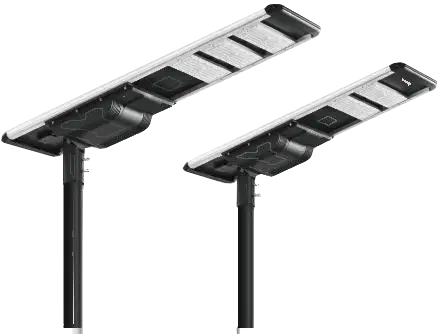
A AP-ISLH-CL solar lamp head should be selected around the site condition before the order is priced. Confirm load, mounting height or cabinet space, autonomy, local weather, and service access first. AilumPower buyers can begin with AP-ISLH-CL Integrated Solar Lamp Head, AP-ISLH-CV Integrated Solar Lamp Head, AP-MSCILH-PS Mains-Solar Hybrid Lamp Head, 12V100AH Gel Battery, then narrow the route by voltage, wattage, battery capacity, solar input, and control method.

AP-ISLH-CL Integrated Solar Lamp Head fits parks, pathways, campuses, courtyards, and lower-power solar lighting projects; avoid it for main roads requiring 60W, 80W, or 120W integrated lamp head configurations. AP-ISLH-CV Integrated Solar Lamp Head fits road lighting, park roads, campus roads, and projects needing 60W to 120W lamp heads; avoid it for low-power decorative paths where AP-ISLH-CL may be easier to size. AP-MSCILH-PS Mains-Solar Hybrid Lamp Head fits roads that need grid stability with solar energy saving in the same lamp head plan; avoid it for fully off-grid sites where no mains support is available and hybrid control is unnecessary. 12V100AH Gel Battery fits solar lighting, UPS backup, telecom cabinets, and renewable standby systems; avoid it for systems needing lithium communication, high energy density, or rack-mounted lithium format. 12V150AH Gel Battery fits medium-runtime solar lighting, telecom backup, UPS, and wind or solar standby loads; avoid it for space-constrained cabinets where the 40.1kg weight and case size create service problems.
| Product route | Useful verified details | Best-fit buyer |
|---|---|---|
| AP-ISLH-CL Integrated Solar Lamp Head | AP-ISLH-CL01 and AP-ISLH-CL02 models; 10W and 15W rated power options; 3.2V/36Ah and 3.2V/72Ah lithium battery options | parks, pathways, campuses, courtyards, and lower-power solar lighting projects |
| AP-ISLH-CV Integrated Solar Lamp Head | AP-ISLH-CV01, AP-ISLH-CV02, and AP-ISLH-CV03 models; 60W, 80W, and 120W rated power options; DC12V for CV01 and DC24V for CV02/CV03 | road lighting, park roads, campus roads, and projects needing 60W to 120W lamp heads |
| AP-MSCILH-PS Mains-Solar Hybrid Lamp Head | 60-70W, 80-90W, 100-110W, 120-130W, and 140-150W power routes; 12.8V lithium iron phosphate battery groups from 28Ah/32Ah to 60Ah/64Ah; SRNE MPPT controller routes from 30W/10A to 80W/10A | roads that need grid stability with solar energy saving in the same lamp head plan |
| 12V100AH Gel Battery | 12V rated voltage and 100Ah rated capacity at 10hr, 1.80V/cell, 25C; 30kg weight and 405 x 173 x 231mm dimensions; max charge current <=0.25C10 | solar lighting, UPS backup, telecom cabinets, and renewable standby systems |
| 12V150AH Gel Battery | 12V rated voltage and 150Ah rated capacity at 10hr, 1.80V/cell, 25C; 40.1kg weight and 482 x 171 x 240mm dimensions; max charge current <=0.25C10 | medium-runtime solar lighting, telecom backup, UPS, and wind or solar standby loads |
The verified details for AP-ISLH-CL Integrated Solar Lamp Head are the anchor for this topic: AP-ISLH-CL01 and AP-ISLH-CL02 models; 10W and 15W rated power options; 3.2V/36Ah and 3.2V/72Ah lithium battery options; 33W/5V and 50W/5V high-efficiency monocrystalline solar panels; 3030/5050 light source and batwing light distribution of 150 degrees x 75 degrees. Those details help buyers compare the product as an engineered item rather than a loose catalog label. If the order includes alternatives, compare the first product against AP-ISLH-CV Integrated Solar Lamp Head, AP-MSCILH-PS Mains-Solar Hybrid Lamp Head, 12V100AH Gel Battery using the same voltage, capacity, communication, protection, and packing checkpoints.
AP-ISLH-CL01 and AP-ISLH-CL02 models 10W and 15W rated power options 3.2V/36Ah and 3.2V/72Ah lithium battery options 33W/5V and 50W/5V high-efficiency monocrystalline solar panels 3030/5050 light source and batwing light distribution of 150 degrees x 75 degrees
AP-ISLH-CV Integrated Solar Lamp Head is useful when the project shifts toward road lighting, park roads, campus roads, and projects needing 60W to 120W lamp heads. It is not a direct substitute when the buyer actually needs AP-ISLH-CL Integrated Solar Lamp Head for parks, pathways, campuses, courtyards, and lower-power solar lighting projects. Compare the product page, image, voltage or wattage, storage route, and service access before asking for a final offer.
Residential buyers usually care about clean installation, service space, and repeatable battery replacement. Commercial buyers care about cabinet layout, communication, heat behavior, and document control. Street lighting buyers care about mounting height, light output, autonomy, weather exposure, and whether the lamp head or hybrid street light can be maintained by the local team.
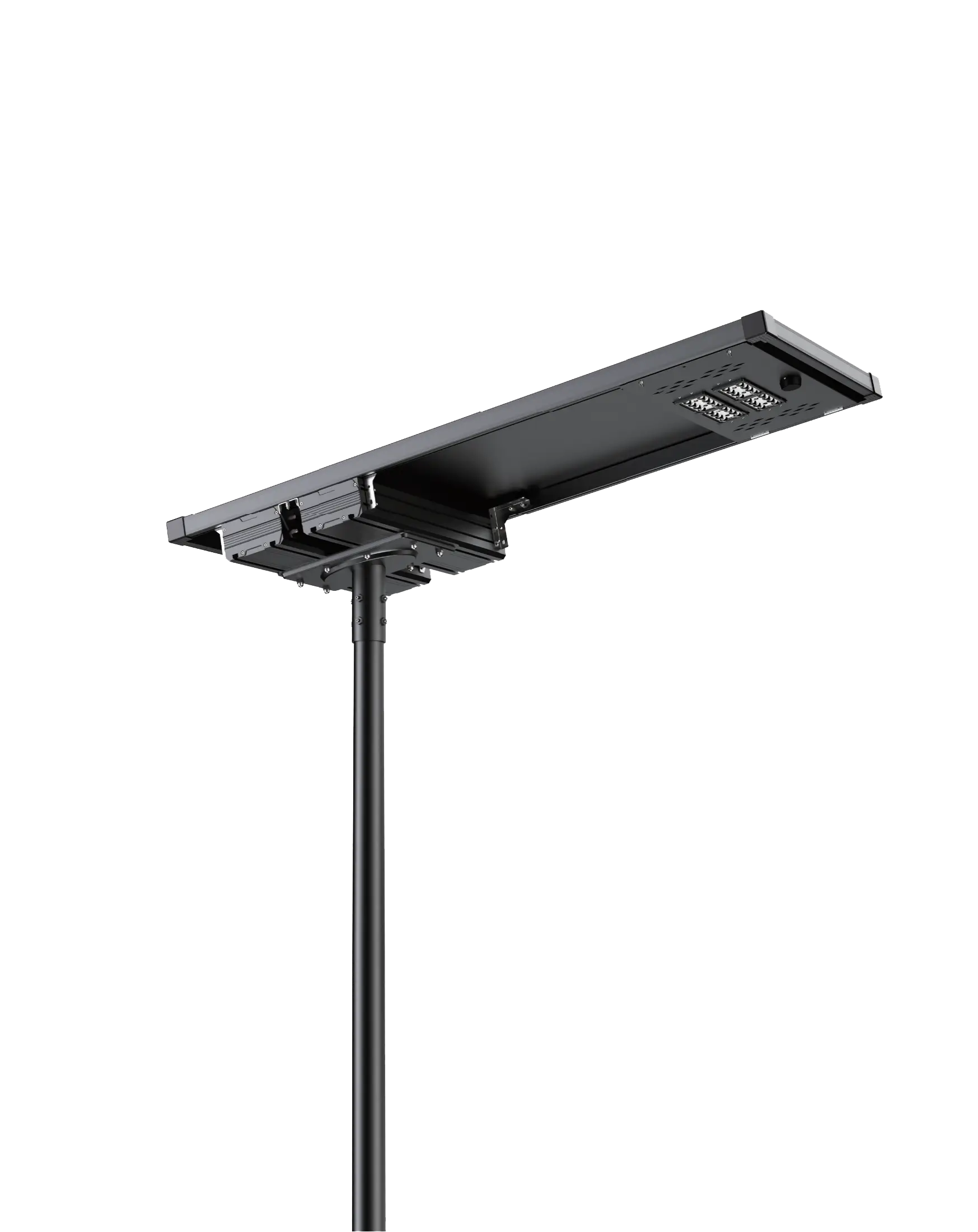
For gel battery orders, quality control should confirm rated voltage, rated capacity, weight, dimensions, terminal condition, case condition, charge-voltage marking, carton strength, and model labels. For mixed solar lighting orders, the buyer should also verify the lamp head model, battery capacity, solar panel route, controller route, and installation height before packing starts.
Packing should be planned around weight, shape, and field handling. AP-ISLH-CL Integrated Solar Lamp Head, AP-ISLH-CV Integrated Solar Lamp Head, AP-MSCILH-PS Mains-Solar Hybrid Lamp Head, 12V100AH Gel Battery should not be packed as anonymous electrical parts. Use clear model labels, keep image references aligned with product names, protect lenses, terminals, housings, cabinets, and solar or wind components, and separate accessories so the installation crew can match each unit to the right site.
Choose it when the product structure matches the site, the installation crew can handle it, and the specification remains stable across purchase, delivery, and replacement. AilumPower product pages give buyers the product names, images, and model references needed to keep that route clear.
Do not choose it only because the name sounds close to the project. A wall battery, rack module, gel battery, lamp head, and hybrid street light solve different problems. If mounting, voltage, capacity, controller, or service access does not match, use another AilumPower page as the starting point.
Price comparison should separate the product body from the risk factors around it. Voltage, usable energy, battery chemistry, solar panel size, controller route, IP rating, communication, packing strength, and batch consistency all affect the real cost of a project. A lower unit price can become expensive if the product cannot be installed cleanly or replaced with the same model later.
Use these published pages to compare product images, specifications, categories, and related options before narrowing the purchase route.

Before placing the order, build a short comparison sheet with product name, page link, image reference, rated voltage, capacity or wattage, installation style, application, packing note, and inspection item. That sheet is more useful to a purchasing team than a long generic description because it follows the product all the way from quotation to installation.
When the goods arrive, receiving teams should compare the shipping label, product name, and image reference before moving the products into storage. Battery products should be checked for visible case damage, terminal condition, carton compression, model marking, and accessory packaging. Solar lamp heads and hybrid street lights should be checked for housing, lens, panel, wind-turbine, controller, mounting hardware, and accessory condition. This step is simple, but it prevents wrong products from reaching the installation site and gives the buyer evidence if a shipment needs correction before installation starts.
A practical purchase file should keep quotation, product page URL, model name, specification table, packing note, and inspection checklist together. This matters most when several AilumPower products are bought in one batch. The buyer may combine lithium storage, gel batteries, lamp heads, and hybrid street lights, so a clear document file keeps the warehouse and field teams aligned. For repeat orders, that same file becomes the baseline for confirming whether the new shipment matches the original approved route.
Replacement planning should begin before the first order is shipped. Record the installed model, rated voltage, capacity, physical size, communication route, mounting style, and packing image. When the site needs service later, the buyer can reorder the same route or choose a close AilumPower alternative without guessing from old photos or incomplete field notes. This is especially useful for distributors and EPC teams that manage several customer sites with similar-looking products but different electrical requirements.
The installer should receive a short handover note that explains which product goes to which site, what the rated voltage or lamp power is, which controller or communication route is expected, and what should be photographed after installation. A handover note does not replace a manual, but it reduces confusion when warehouse staff, purchasing staff, and field installers are not the same people. It also helps the buyer keep a clean record for later maintenance.
When the goods arrive, receiving teams should compare the shipping label, product name, and image reference before moving the products into storage. Battery products should be checked for visible case damage, terminal condition, carton compression, model marking, and accessory packaging. Solar lamp heads and hybrid street lights should be checked for housing, lens, panel, wind-turbine, controller, mounting hardware, and accessory condition. This step is simple, but it prevents wrong products from reaching the installation site and gives the buyer evidence if a shipment needs correction before installation starts.
A practical purchase file should keep quotation, product page URL, model name, specification table, packing note, and inspection checklist together. This matters most when several AilumPower products are bought in one batch. The buyer may combine lithium storage, gel batteries, lamp heads, and hybrid street lights, so a clear document file keeps the warehouse and field teams aligned. For repeat orders, that same file becomes the baseline for confirming whether the new shipment matches the original approved route.
Replacement planning should begin before the first order is shipped. Record the installed model, rated voltage, capacity, physical size, communication route, mounting style, and packing image. When the site needs service later, the buyer can reorder the same route or choose a close AilumPower alternative without guessing from old photos or incomplete field notes. This is especially useful for distributors and EPC teams that manage several customer sites with similar-looking products but different electrical requirements.
